
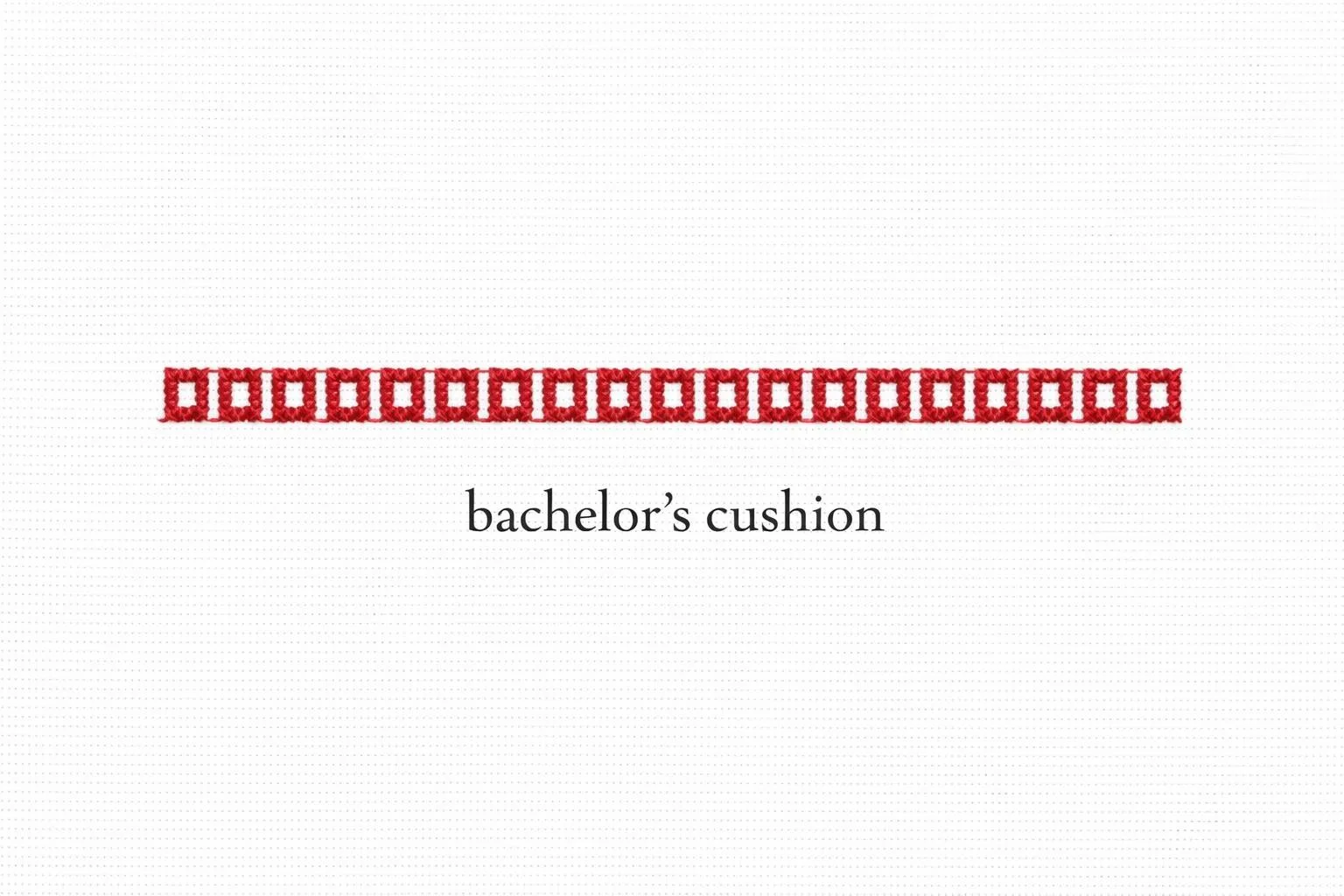
The Bachelor’s Cushion Motif is one of the named designs in traditional Palestinian Tatreez embroidery. Its title reflects the domestic setting in which Palestinian women practiced embroidery and passed patterns from one generation to the next.
Symbol of Domestic Life
Unlike motifs inspired by plants or stars, the Bachelor’s Cushion Motif draws its meaning from household space. In traditional Palestinian homes, cushions were part of seating areas where families gathered and guests were welcomed, making them symbols of hospitality, comfort, and social life.
Through embroidery, such everyday elements became part of the visual language of Palestinian Tatreez. Moreover, readers can explore Palestinian thobes by region to see how domestic and regional motifs appeared across traditional dress in Bethlehem, Hebron, Ramallah, Gaza, and other parts of Palestine.
Women’s Embroidery Tradition
Palestinian embroidery was traditionally practiced within women’s social circles. Patterns were shared and remembered during communal embroidery gatherings.
Names like Bachelor’s Cushion reflect how motifs were preserved through oral tradition and familiar references, helping embroiderers remember complex designs.
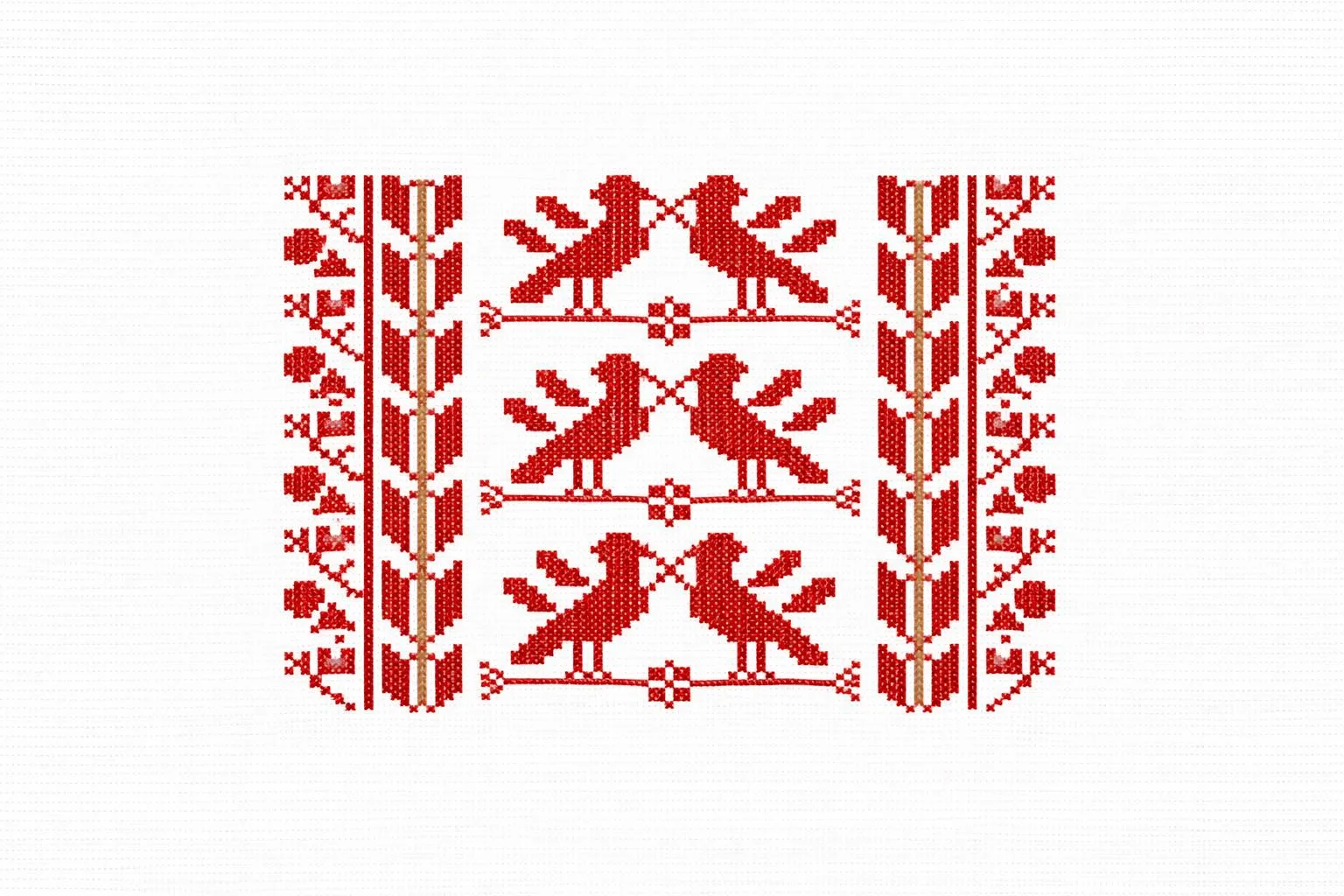
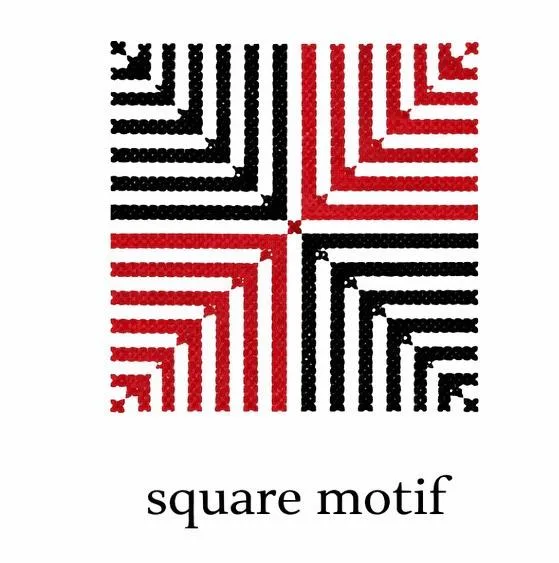
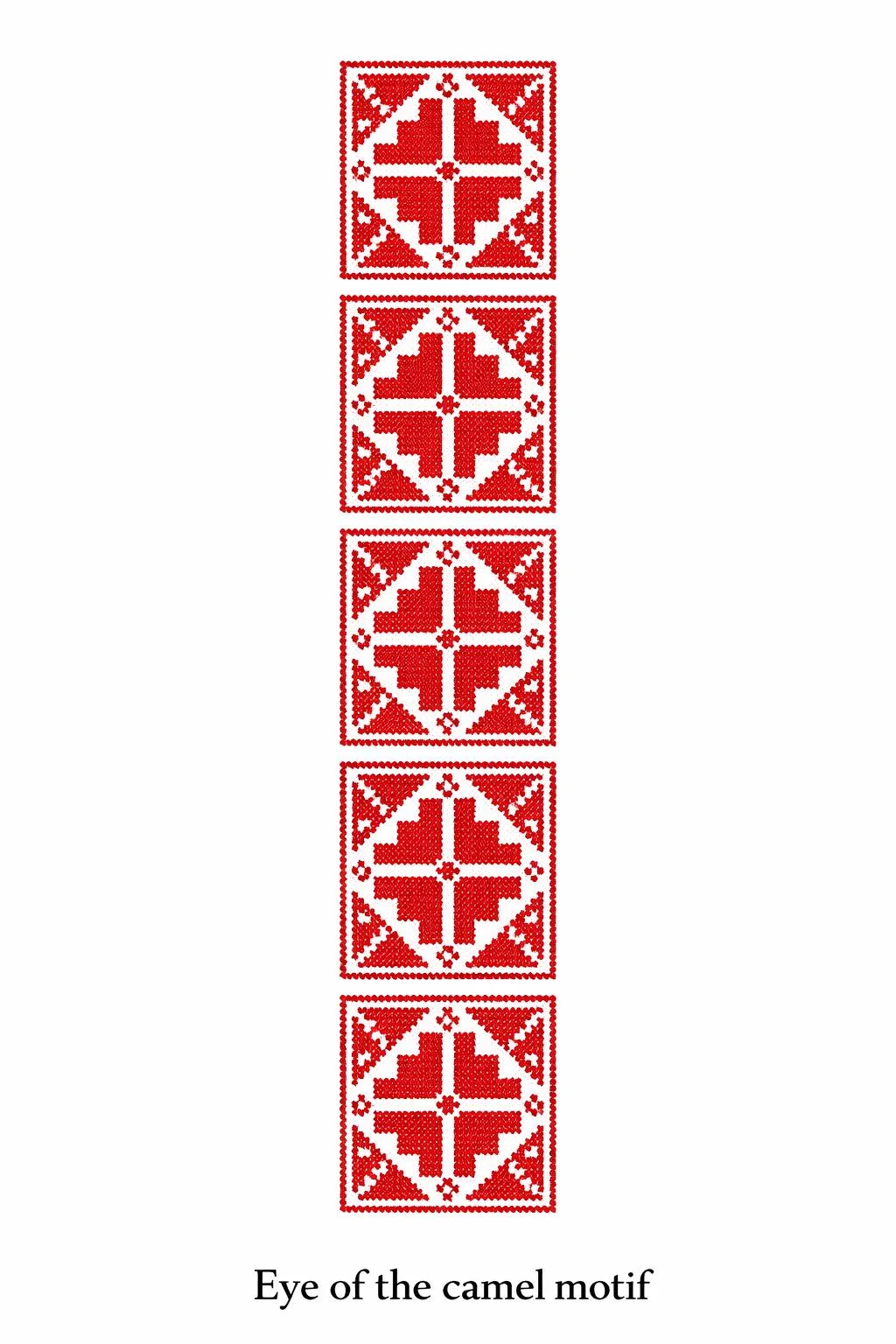
Geometric Structure and Design
Like many Palestinian embroidery motifs, the pattern is built using the cross-stitch technique, which naturally produces symmetrical geometric forms.
Because of this structure, the motif works well in repeating embroidery layouts on the Palestinian thobe, helping create rhythm and visual balance across the textile.
Explore the Map of Traditional Palestinian Thobes
See where each Palestinian thobe originates across the regions of Palestine.
Open the Map