
The Palestinian Olive Tree: Heritage, Culture, and Sustainability
The Palestinian olive tree is one of the most powerful symbols of cultural heritage in Palestine. For thousands of years, olive cultivation has shaped the landscape, economy, and traditions of Palestinian communities. The olive tree represents resilience, peace, and continuity, reflecting the deep relationship between people and their land. Today, Palestinian olive trees continue to embody identity, sustainability, and agricultural heritage recognized worldwide.
Olive cultivation is not only an agricultural practice but also an essential part of Palestinian cultural identity. Olive trees can live for hundreds, sometimes thousands of years, making them living witnesses to generations of history. Their presence connects modern Palestinian society with ancient civilizations that cultivated olives across the Mediterranean region.
Beyond their environmental importance, olive trees symbolize stability, patience, and belonging. The preservation of olive groves contributes to maintaining biodiversity, supporting rural communities, and protecting traditional farming knowledge passed down through generations.
Keywords: Palestinian olive tree, olive oil Palestine, Palestinian heritage agriculture, sustainable farming Palestine, Mediterranean olive culture.
The Importance of Fresh Palestinian Green Olives
Olive Trees in Palestinian Agriculture and Economy
Fresh Palestinian green olives are a central element of Palestinian agriculture and daily life. Palestine is part of the Mediterranean region, one of the most important areas in the world for olive cultivation. Olive farming contributes significantly to local economies, supporting thousands of families who rely on olive harvest seasons as a primary source of income.
Palestinian olive trees are known for their high-quality fruit, rich flavor, and nutritional value. Olive products include fresh olives, olive oil, pickled olives, and traditional food ingredients widely used in Mediterranean diets. Olive oil produced in Palestine is considered an important export product, contributing to cultural exchange and economic sustainability.
Olive trees also contribute to environmental sustainability. They require relatively low water resources compared to other crops, making them well adapted to the climate of the region. Sustainable olive farming helps preserve soil quality and maintain agricultural biodiversity.
SEO Keywords: Mediterranean olives, Palestinian agriculture, sustainable olive farming, olive oil benefits.
Traditional Olive Press and Olive Oil Production
Traditional Knowledge and Sustainable Production Methods
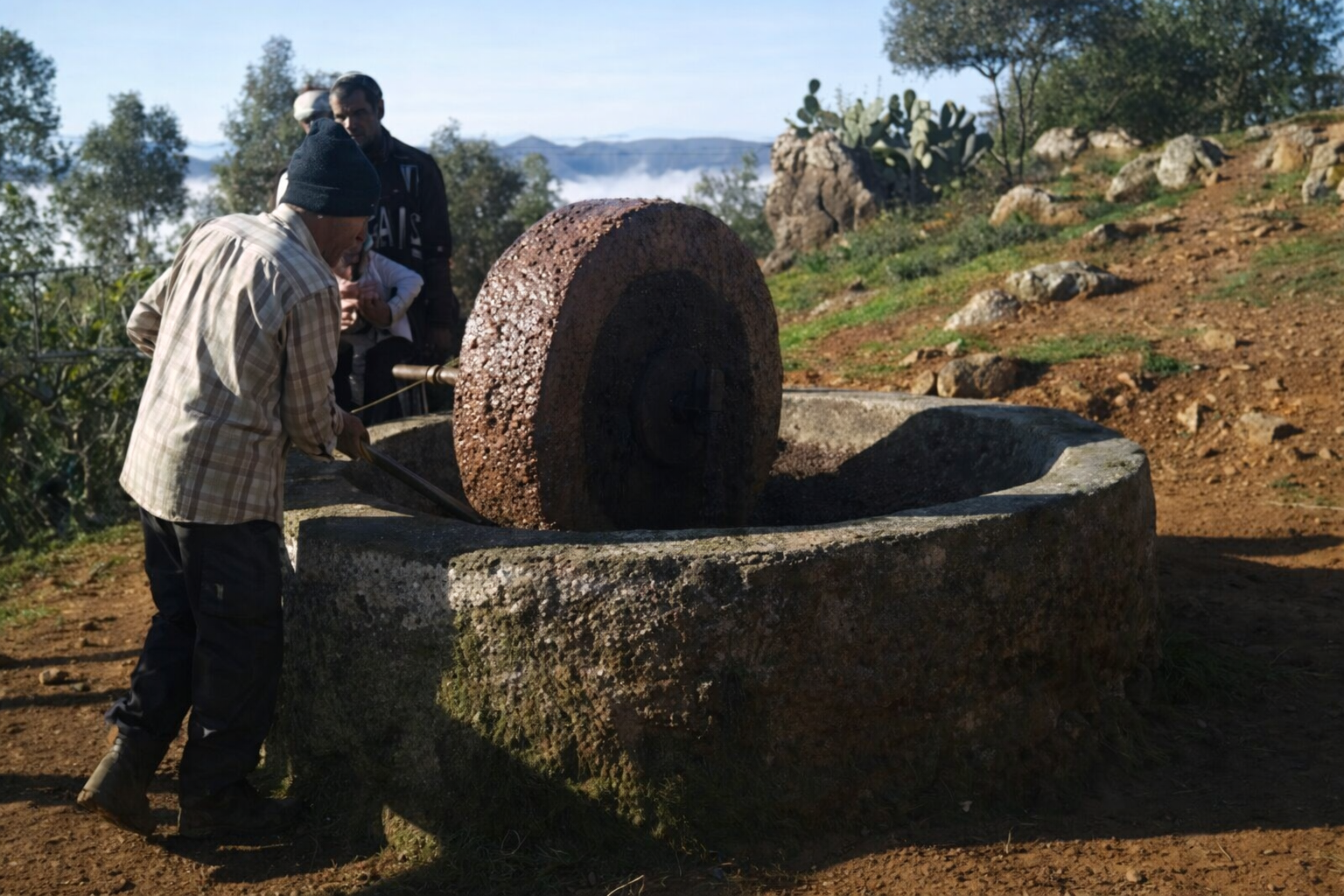
Traditional olive oil production techniques reflect centuries of agricultural knowledge developed in Palestinian communities. Stone olive presses were historically used to extract oil through natural pressure methods that preserve flavor and nutritional properties.
Olive oil production remains an important seasonal activity. Families and farmers collaborate during the harvest season to transport olives to local presses where oil is extracted using mechanical or traditional methods. These practices reflect cooperation and knowledge sharing across generations.
Palestinian olive oil is valued internationally for its quality and authenticity. Extra virgin olive oil is widely used in cooking, skincare, and natural medicine due to its antioxidant properties and nutritional benefits. Studies highlight olive oil as a key component of the Mediterranean diet, associated with heart health and balanced nutrition.
SEO Keywords: extra virgin olive oil benefits, traditional olive press, Mediterranean diet olive oil.

Olive Harvest Season in Palestinian Culture
Social Traditions and Community Participation
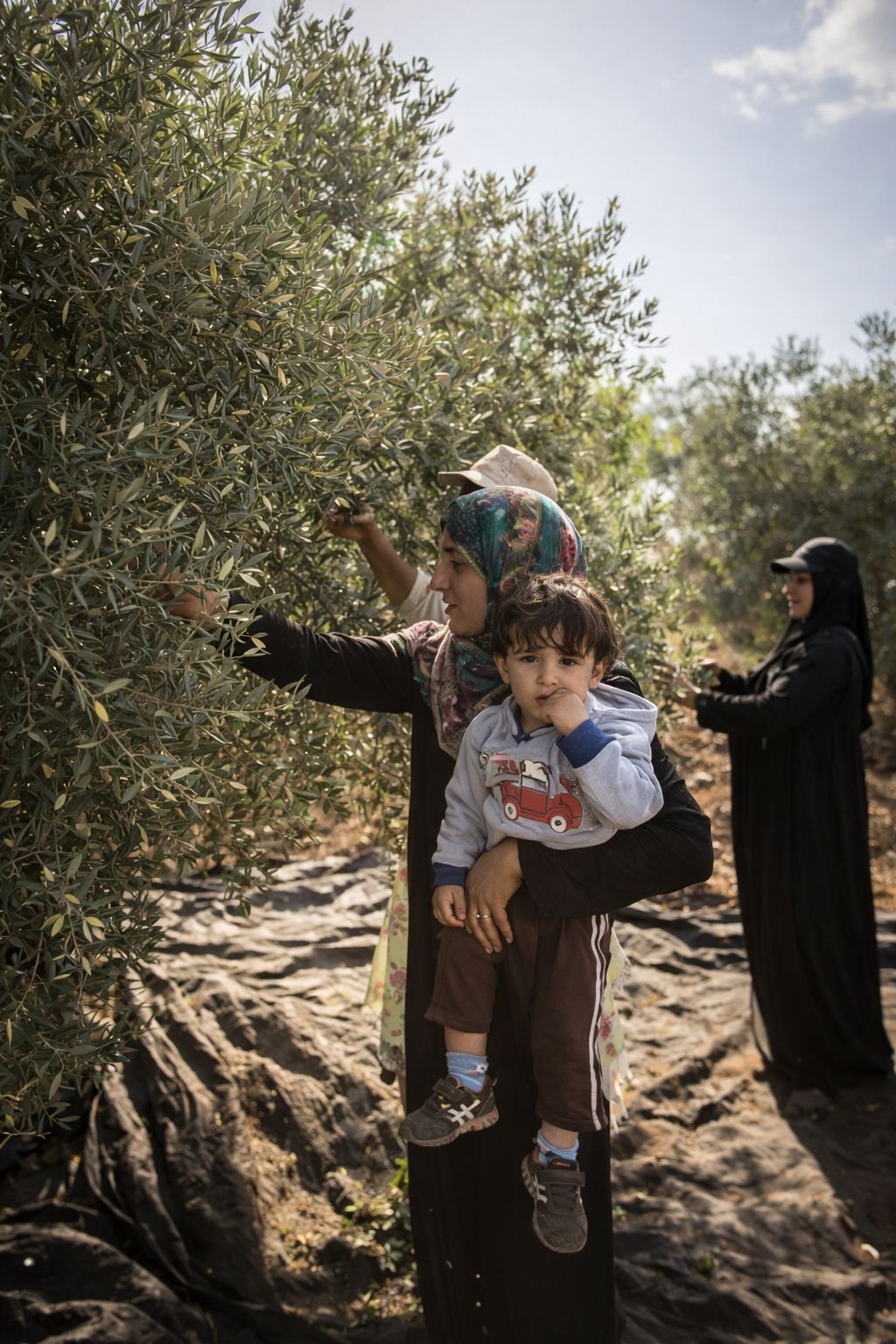
The olive harvest season is one of the most culturally important events in Palestinian society. Families gather annually in olive groves to harvest olives together, transforming agricultural work into a meaningful social tradition.
Harvesting olives strengthens family relationships and community solidarity. Parents teach younger generations traditional harvesting techniques that protect the trees and maintain production quality. These seasonal activities reinforce cultural continuity and promote cooperation between generations.
The olive harvest season also reflects cultural values such as patience, respect for nature, and appreciation for agricultural traditions. Many Palestinian families consider olive harvest days as moments of cultural connection, memory, and shared experience.
SEO Keywords: olive harvest tradition, Palestinian culture traditions, agricultural heritage Palestine.
Olive Branch Symbolism in Palestinian Tatreez Embroidery
Cultural Identity Expressed Through Traditional Art
Olive branches are frequently represented in Palestinian tatreez embroidery patterns. Tatreez is a traditional form of embroidery recognized internationally as an important element of Palestinian intangible cultural heritage. Olive motifs symbolize peace, resilience, and attachment to the land.
Embroidery patterns inspired by olive branches reflect the connection between agriculture and artistic expression. These patterns often appear on traditional thobes, accessories, and textile crafts that preserve visual representations of Palestinian heritage.
Tatreez embroidery has been passed down through generations, preserving cultural symbols through handmade craftsmanship. The olive tree motif represents growth, continuity, and rooted identity, reinforcing the symbolic importance of agriculture within Palestinian culture.
SEO Keywords: tatreez embroidery meaning, Palestinian embroidery symbolism, olive branch symbol meaning.
Olive Oil in Palestinian Cuisine
Culinary Heritage and Mediterranean Diet Traditions
Olive oil plays an essential role in Palestinian cuisine and Mediterranean food culture. Traditional dishes often include olive oil as a key ingredient, contributing to flavor, texture, and nutritional value.
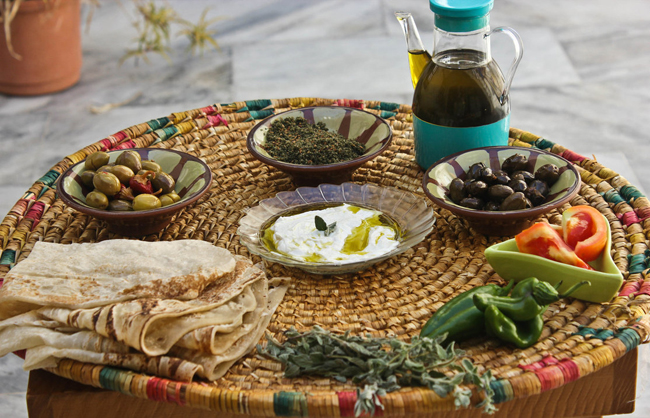
Common Palestinian meals include bread dipped in olive oil, olives served with herbs, and dishes such as musakhan, salads, and mezze prepared using locally produced olive oil. These foods reflect the connection between agriculture and culinary traditions.
The Mediterranean diet, recognized globally for its health benefits, emphasizes olive oil as a primary source of healthy fats. Palestinian cuisine contributes to this dietary tradition through the use of natural ingredients and traditional cooking methods.
Culinary traditions demonstrate how olive cultivation influences daily life beyond agriculture. Olive oil continues to symbolize hospitality, sustainability, and cultural continuity in Palestinian households.
SEO Keywords: Mediterranean diet olive oil, Palestinian traditional food, healthy olive oil benefits.
Preserving the Palestinian Olive Tree Heritage
Sustainability, Cultural Preservation, and Global Recognition
Preserving olive tree heritage is essential for protecting Palestinian cultural identity and supporting sustainable agriculture. Cultural organizations, agricultural cooperatives, and international institutions promote awareness of the importance of olive cultivation.
Efforts to protect olive groves contribute to maintaining biodiversity and supporting rural livelihoods. Sustainable farming practices help ensure that future generations can continue cultivating olives while preserving traditional agricultural knowledge.
The olive tree continues to serve as a symbol of peace, cultural resilience, and environmental sustainability. Through ongoing preservation efforts, Palestinian olive heritage remains a living expression of identity, tradition, and connection to the land.
SEO Keywords: sustainable agriculture Palestine, cultural heritage preservation, olive tree symbolism peace.
Sources
International Olive Council
https://www.internationaloliveoil.org/
FAO – Olive cultivation and sustainability
https://www.fao.org/
UNESCO Intangible Cultural Heritage – Palestinian Tatreez
https://ich.unesco.org/en/RL/palestinian-embroidery-tatreez-01957
Palestinian Ministry of Agriculture
https://www.moa.pna.ps/
World Health Organization – Healthy Mediterranean Diet
https://www.who.int/
European Commission – Mediterranean agricultural heritage
https://agriculture.ec.europa.eu/