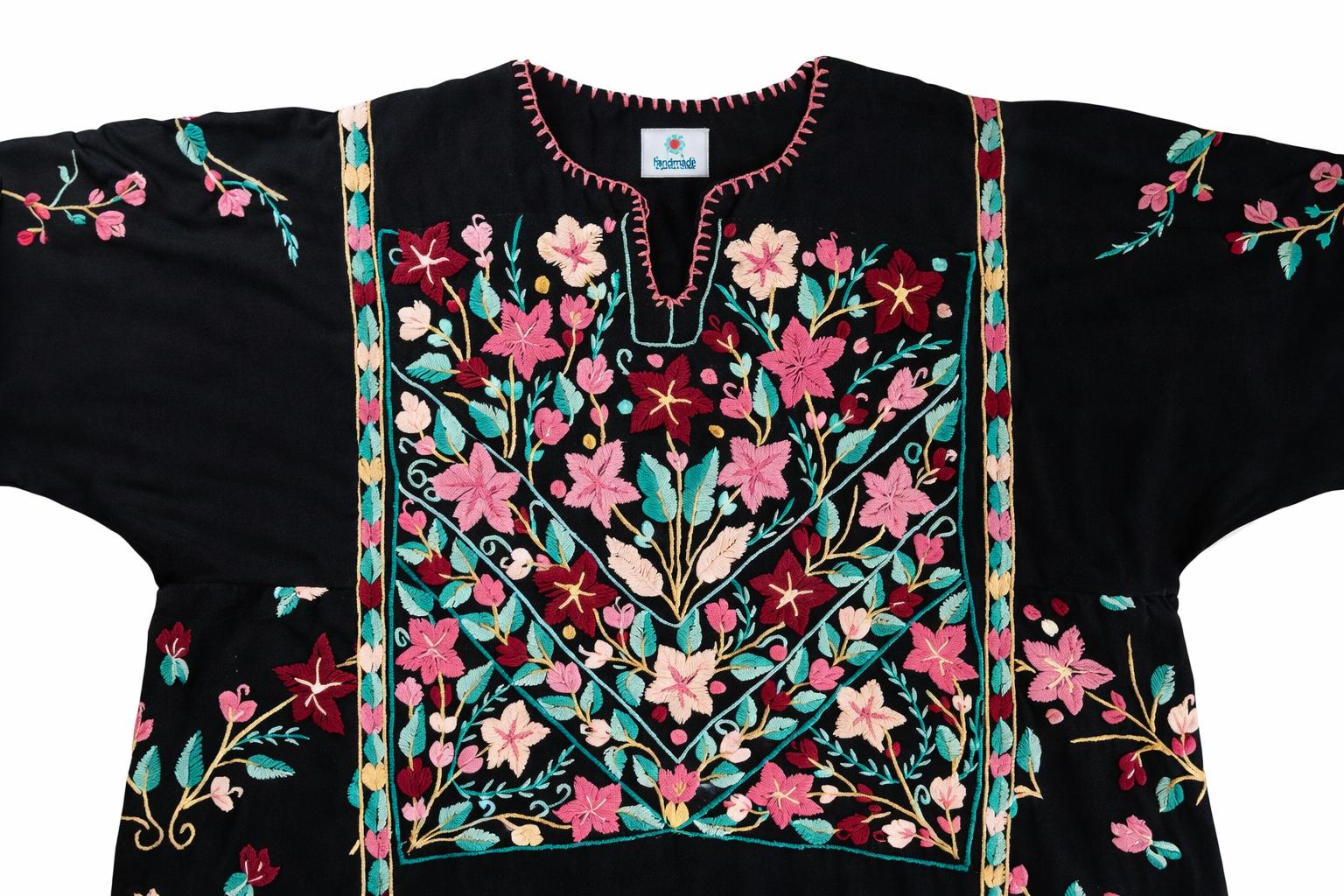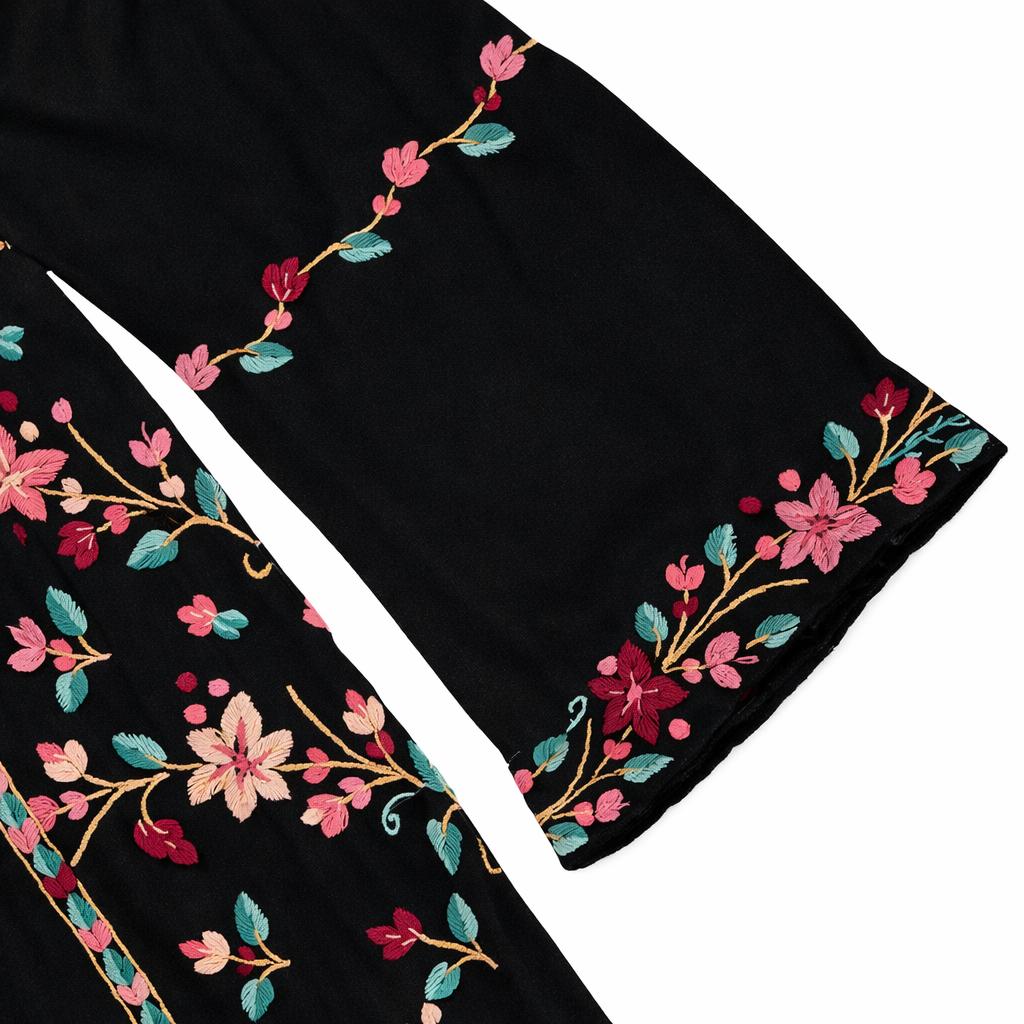
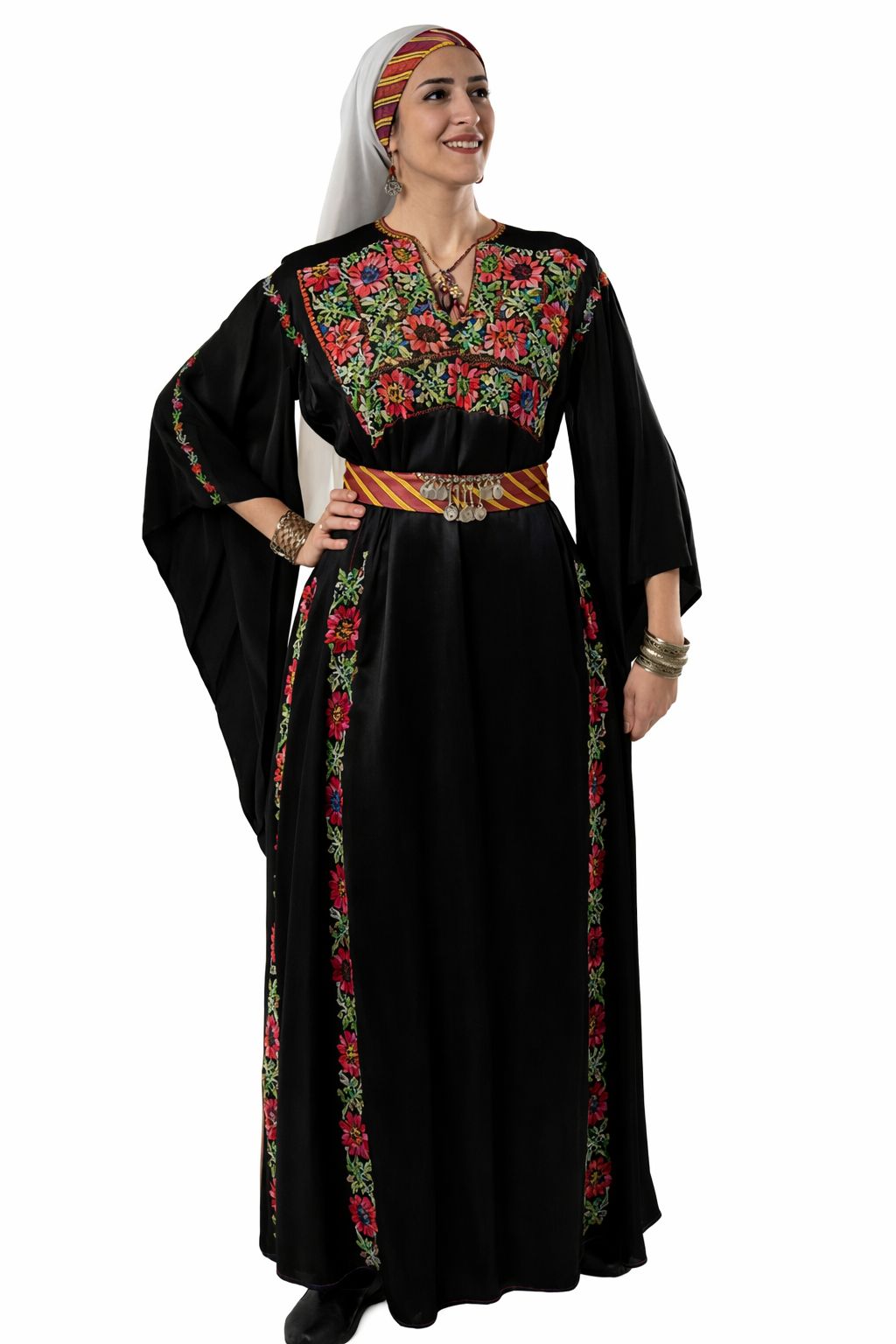
Collection of Southern Palestinian Dress

Hebron Traditional Dress

Regional Embroidery Traditions and Cultural Identity in Southern Palestine

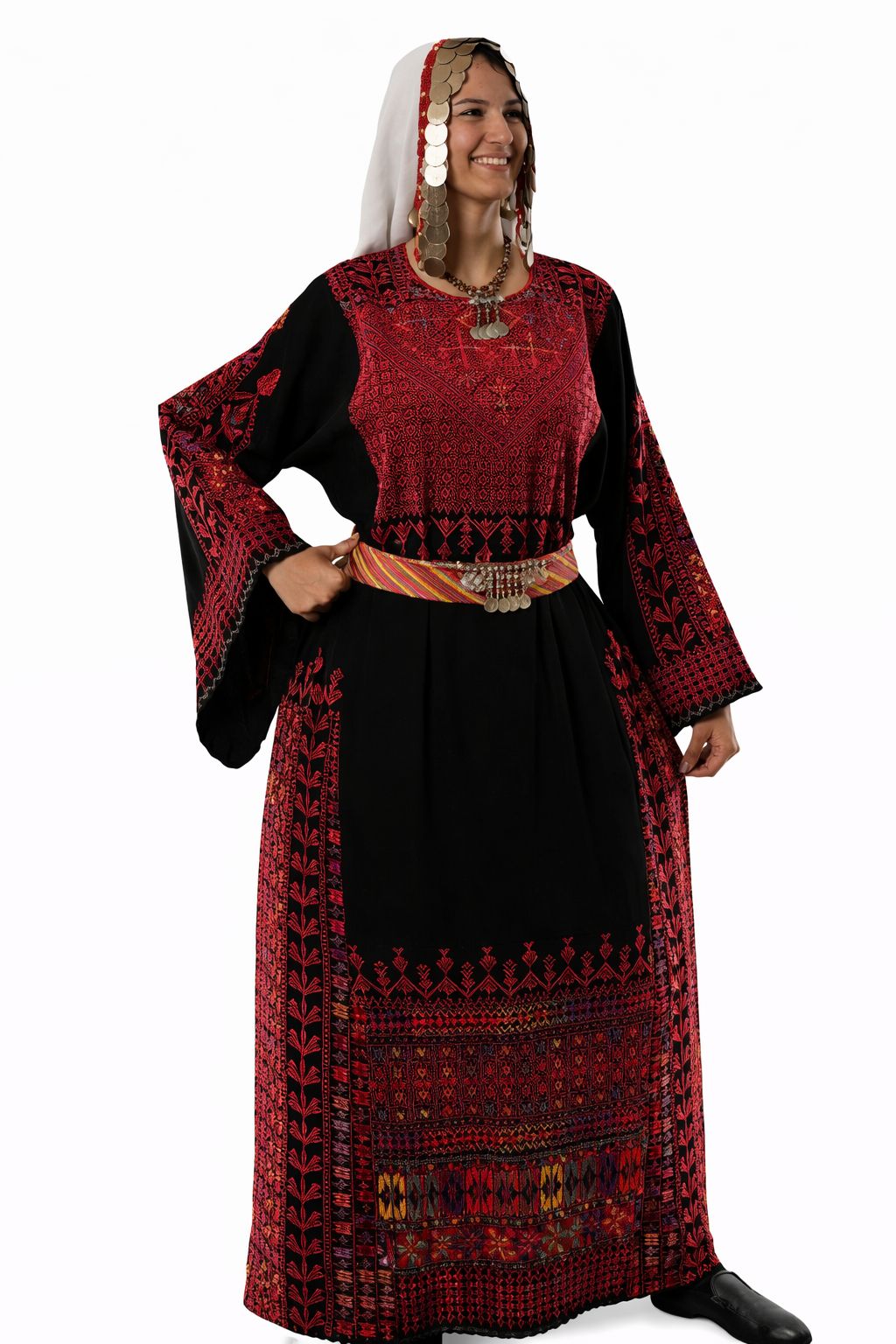
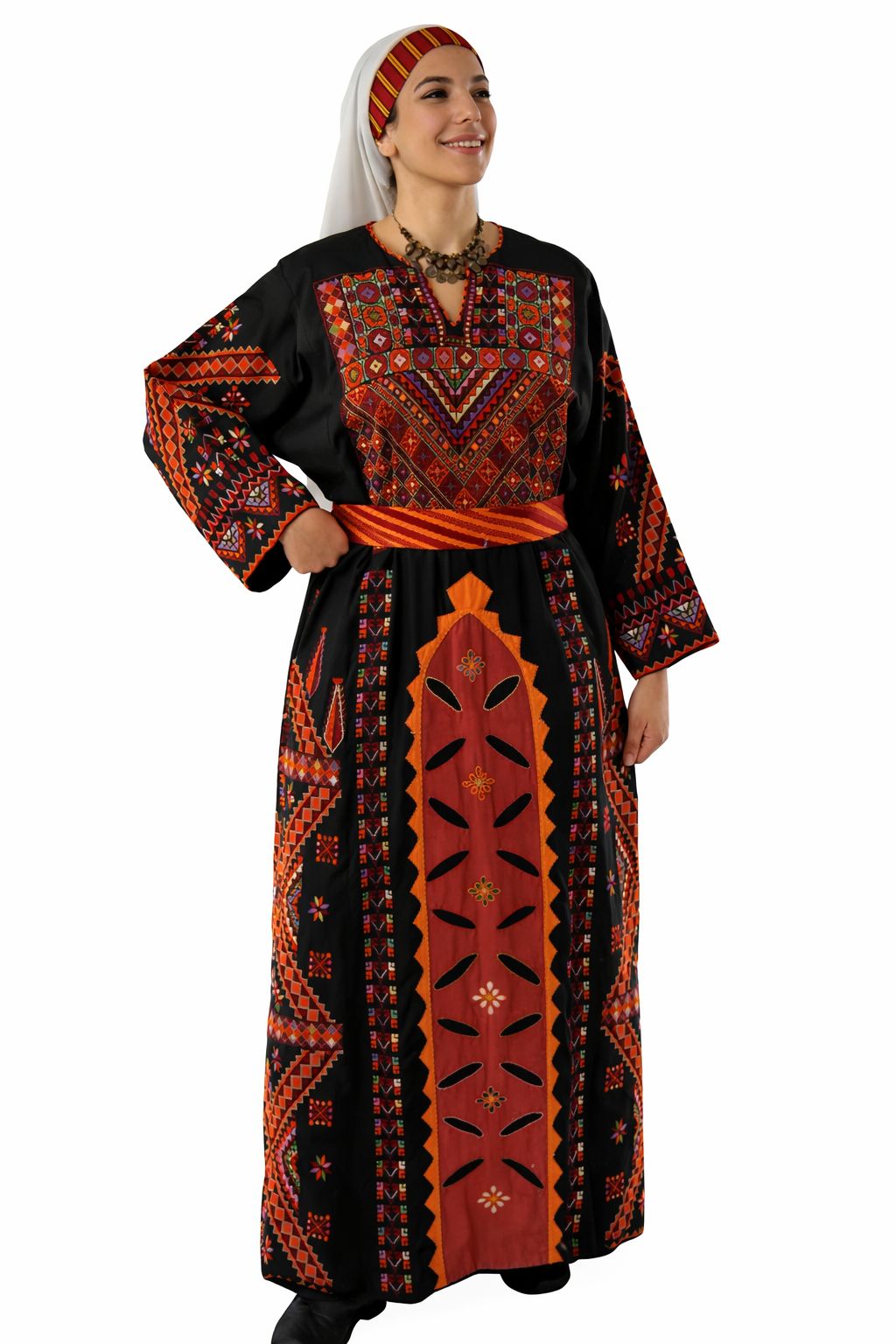
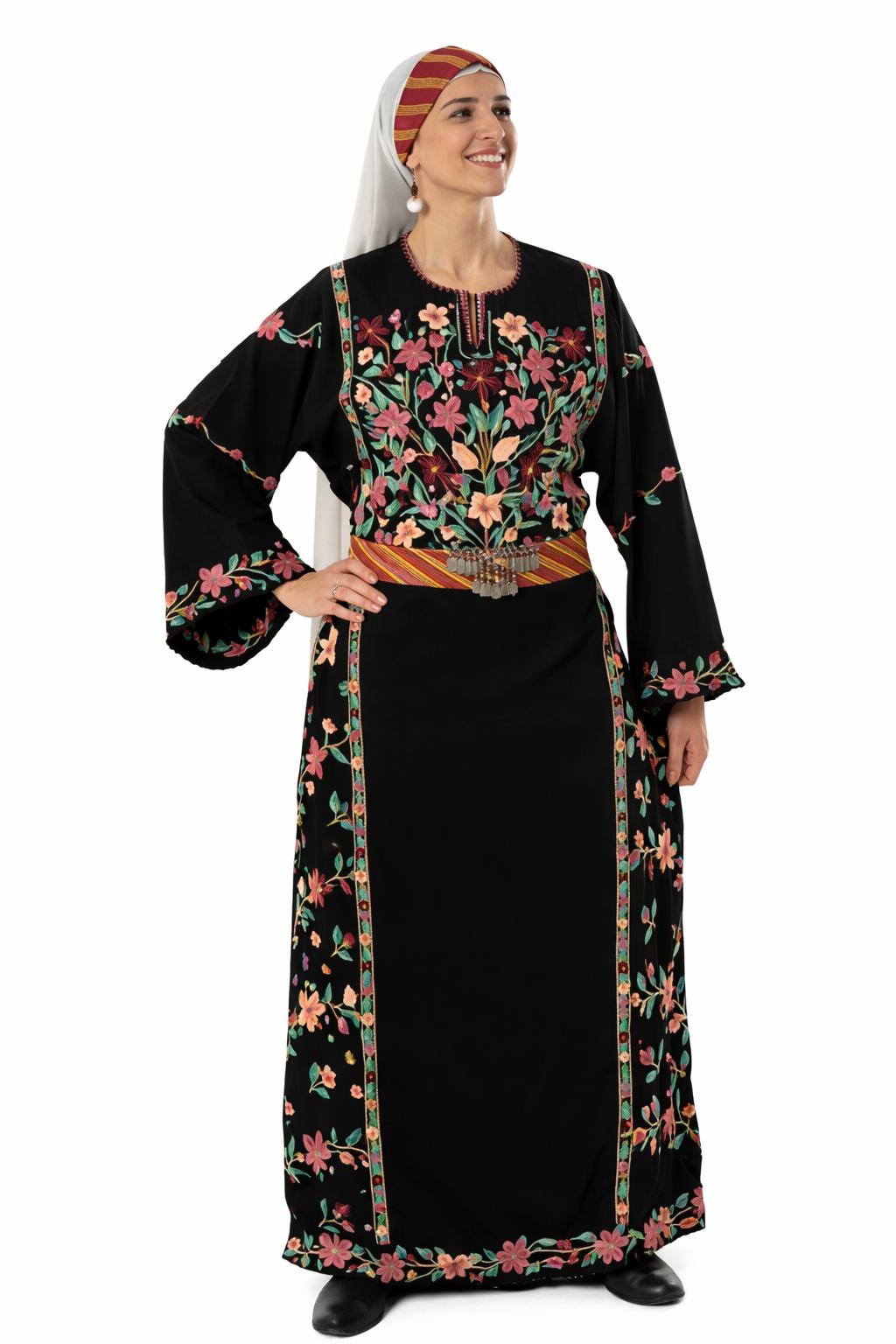
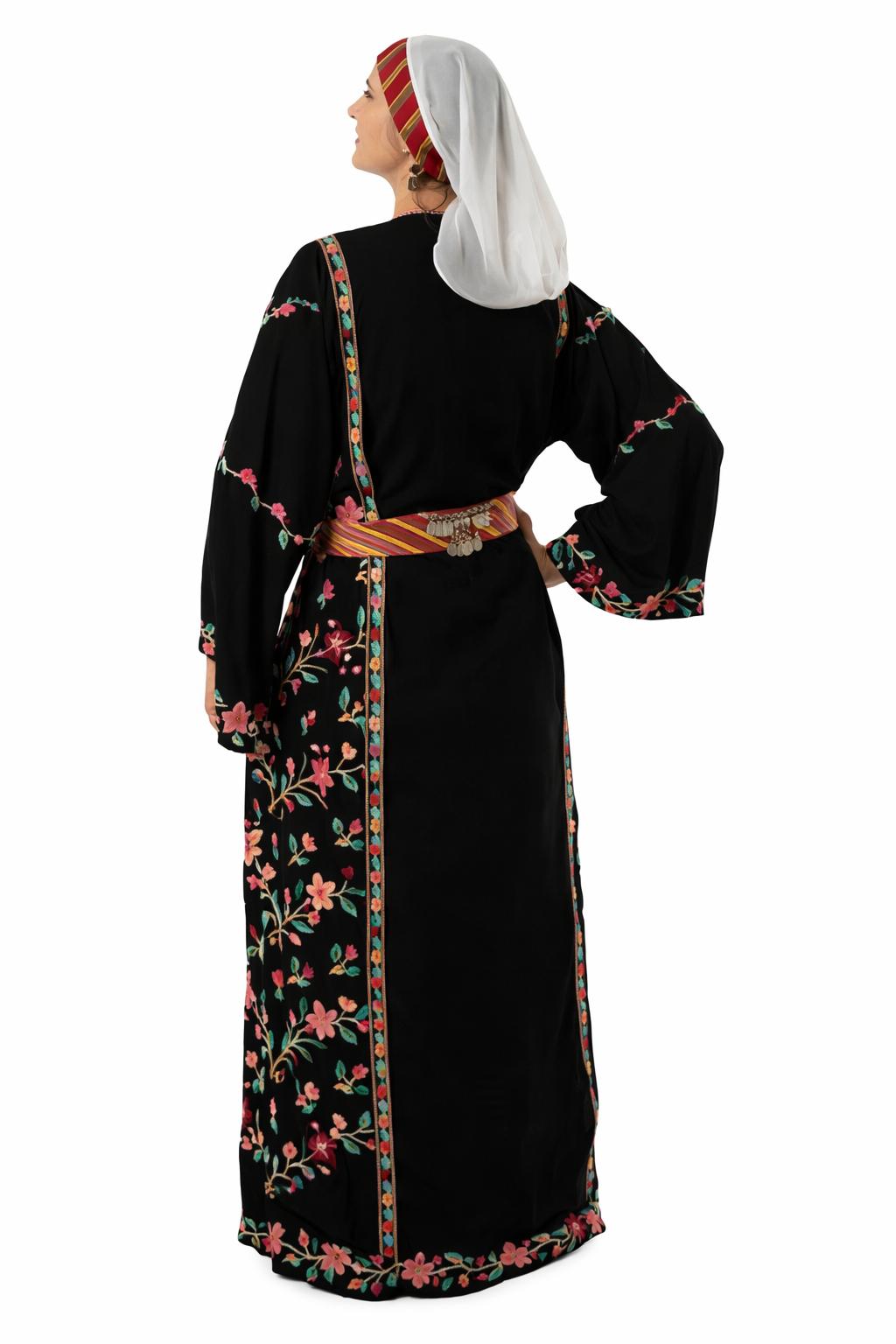
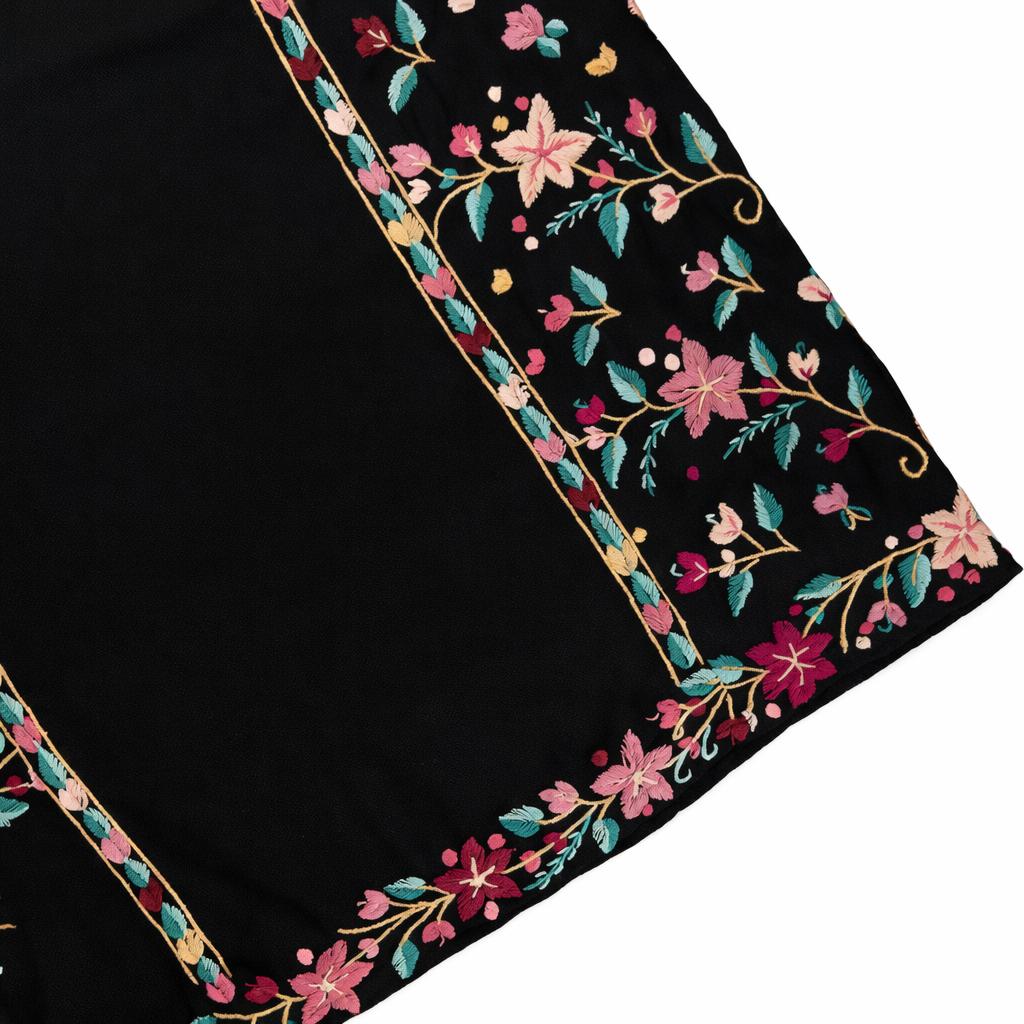
The Hebron traditional dress is one of the most distinctive garments within Palestinian costume heritage. Originating from the historic city of Hebron (Al-Khalil) in southern Palestine, the dress reflects the region’s deep connection to traditional embroidery, rural craftsmanship, and long-standing cultural traditions.

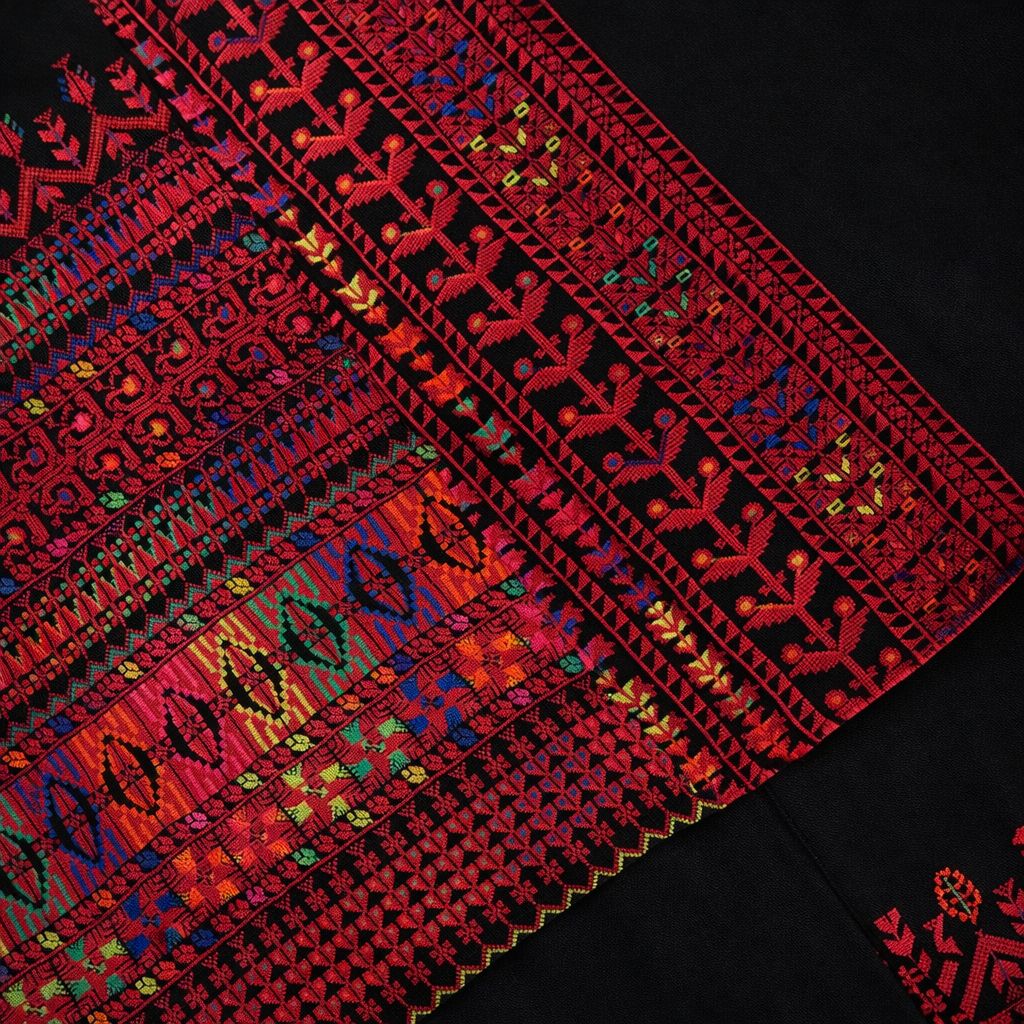
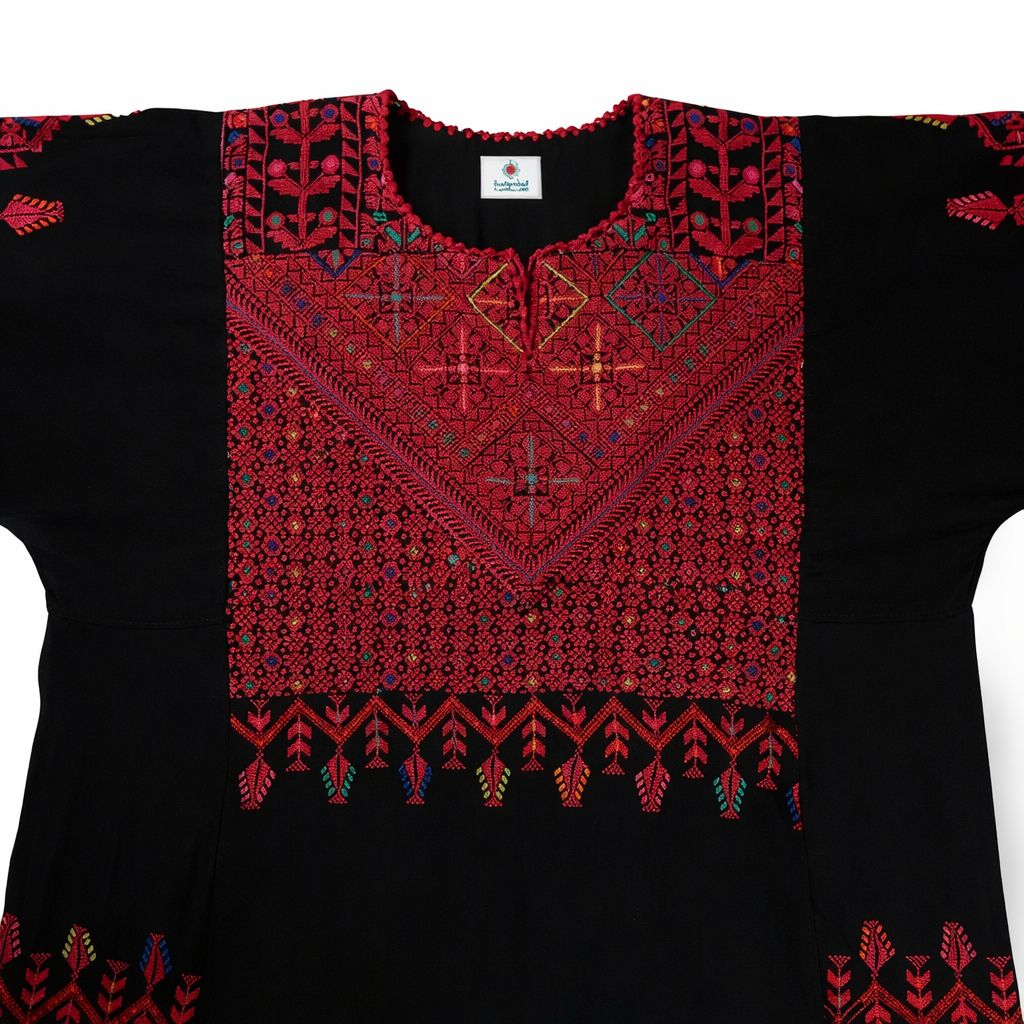
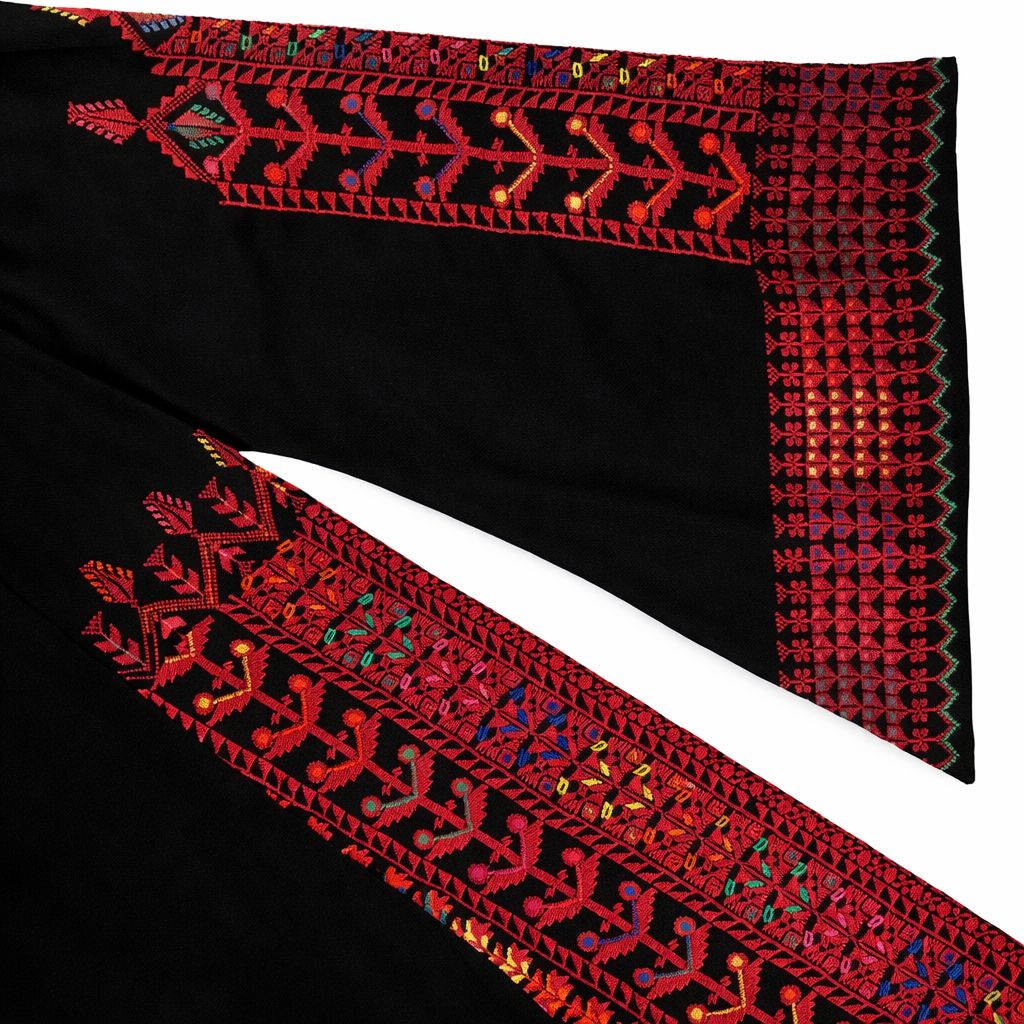
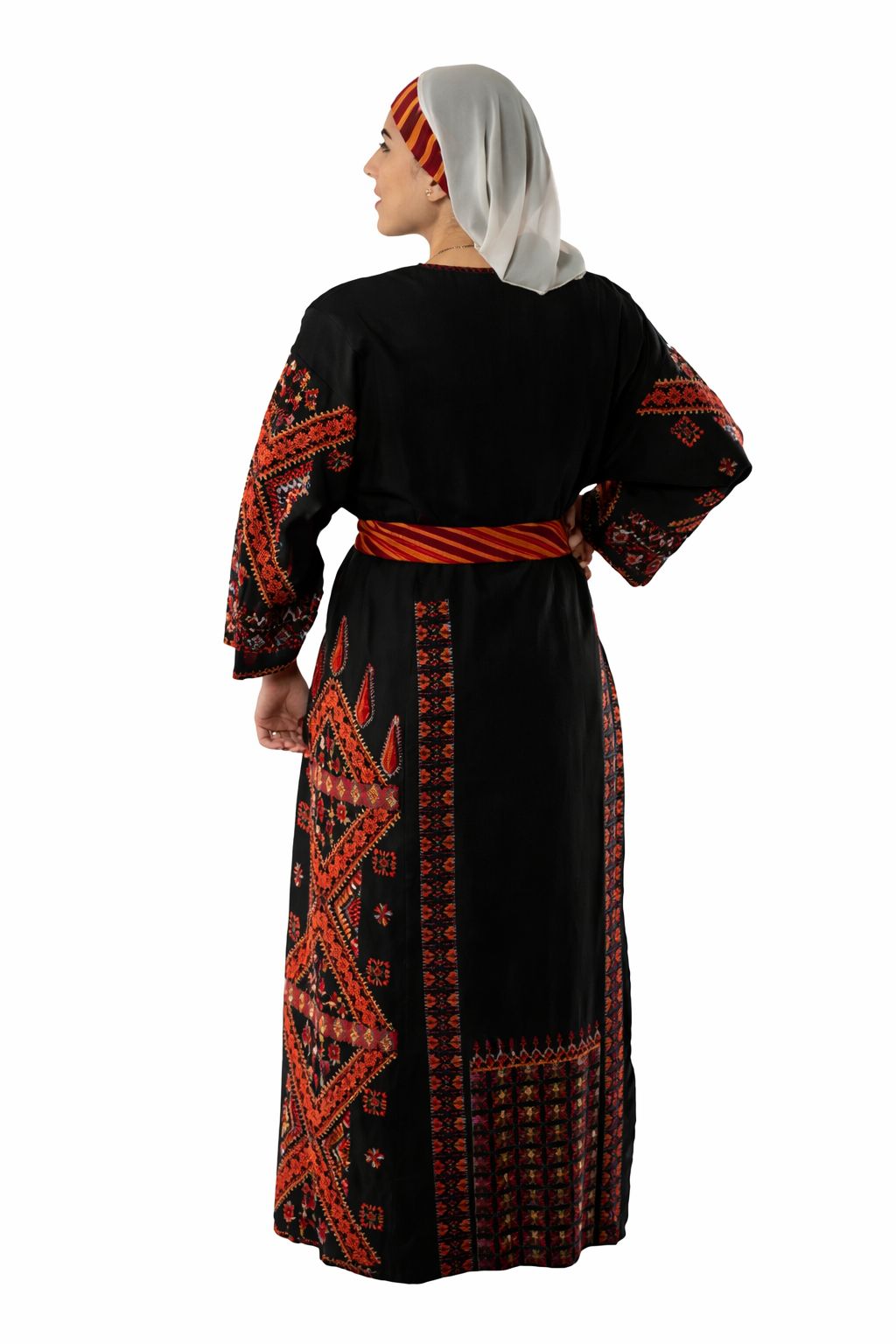
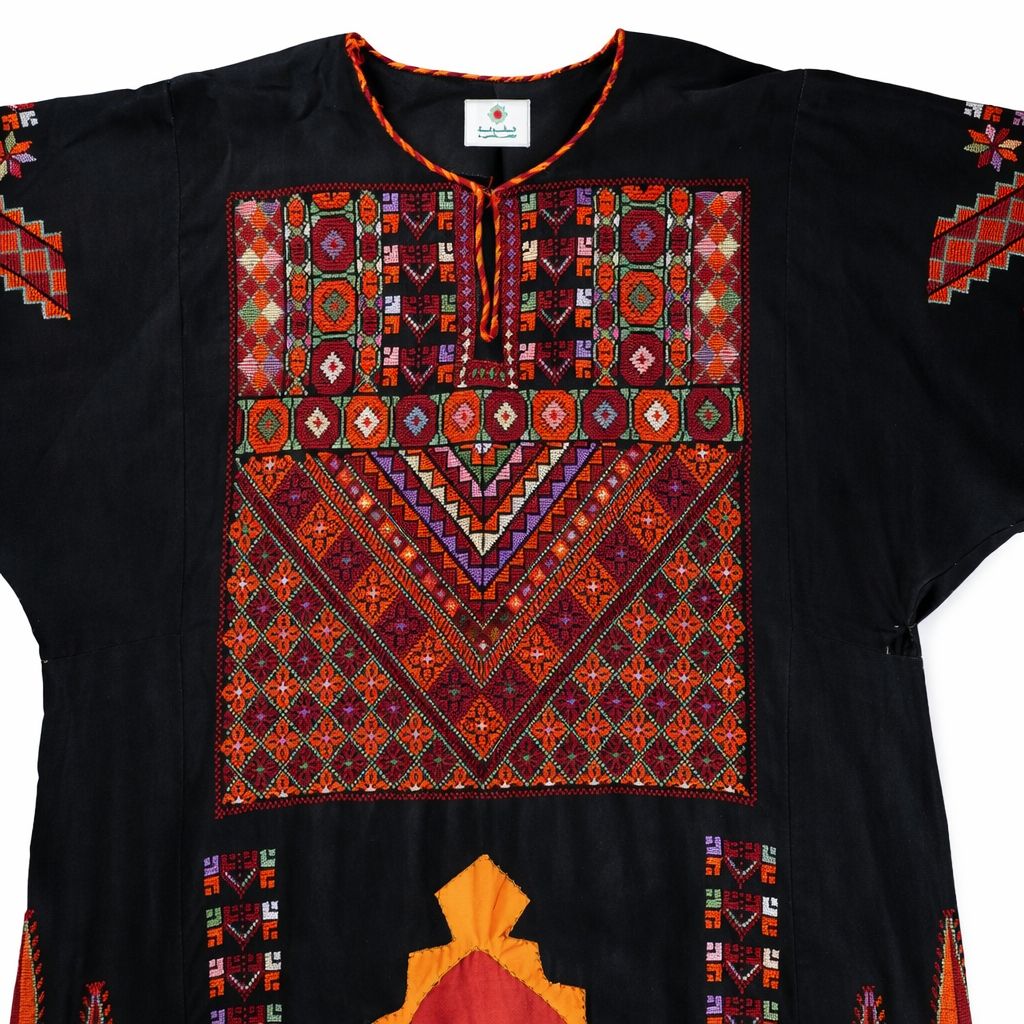
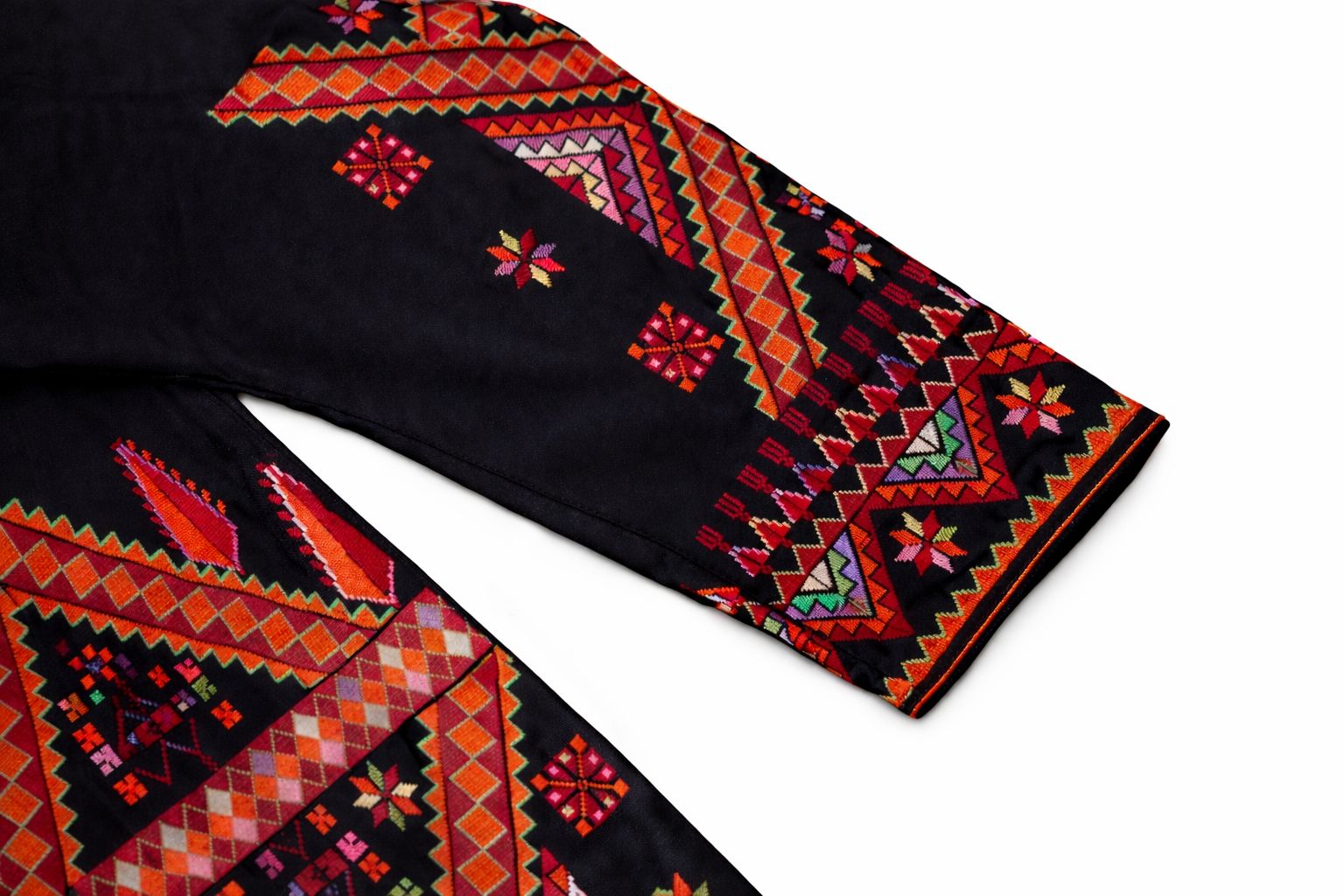
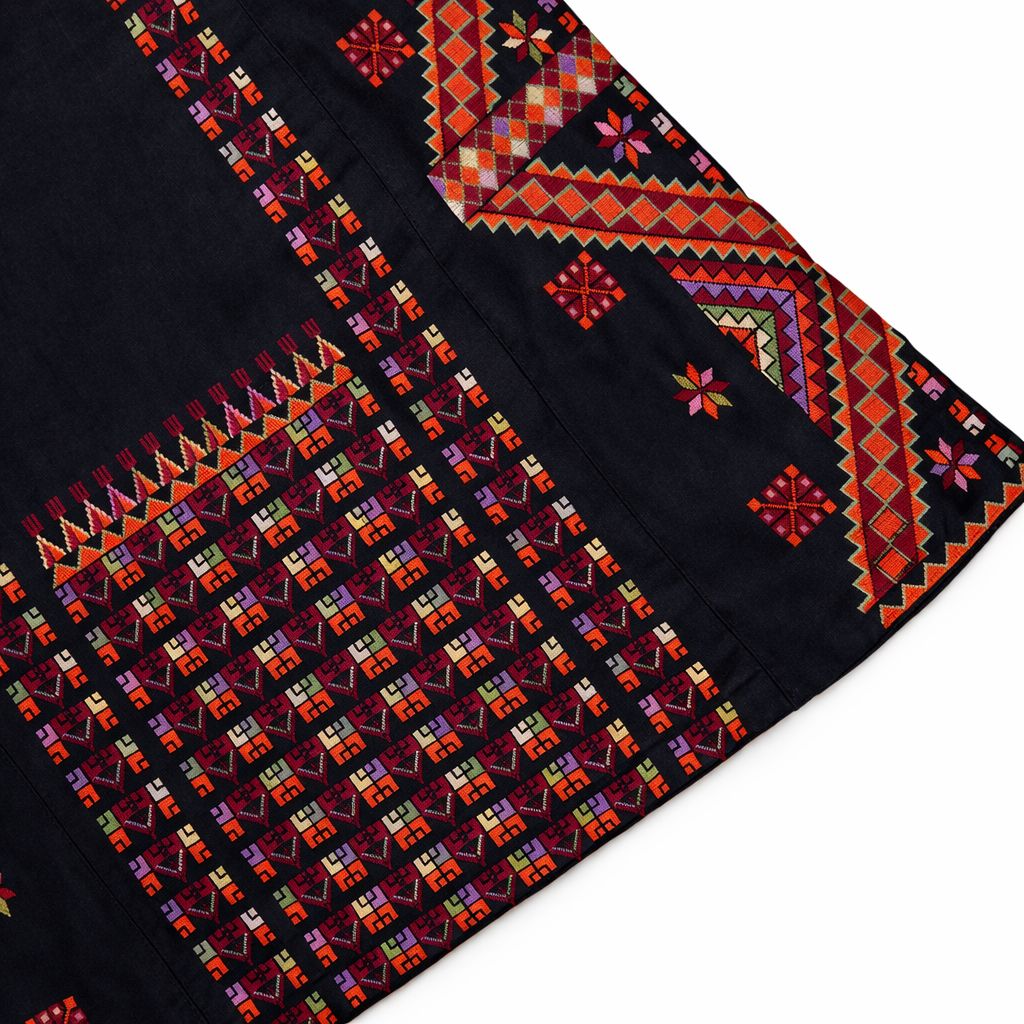
The Hebron thobe is typically characterized by dark fabrics decorated with rich red Palestinian tatreez embroidery. Geometric motifs are carefully arranged across the chest panel, sleeves, and side sections of the garment, forming balanced decorative compositions that represent the embroidery traditions of the Hebron region.

Across the Hebron district, several local variations of the traditional dress developed over time. These include the embroidery traditions of Halhul, located north of Hebron, as well as styles found in the villages of North Hebron. In the southern part of the district, distinctive variations also appeared in South Hebron, particularly in towns such as Al-Samu’, Yatta, and Dura, where rural communities developed recognizable embroidery arrangements and decorative structures that reflect local identity and craftsmanship.

Although each locality introduced subtle differences in embroidery composition, motif density, and decorative structure, these garments share common visual elements that identify them as part of the Hebron regional dress tradition.

Hebron traditional dress from southern Palestine
Hebron Dress Collection — regional embroidery heritage of southern Palestine. Collection Overview
Region Hebron
Tradition Southern Palestinian
Type Traditional Thobe Collection
Technique Tatreez
Materials Cotton / Velvet / Silk Thread
Significance Identity & Rural Craftsmanship
Hebron Dress Types

Explore Distinct Hebron Variations

This page presents multiple dress types from the Hebron region. Each type reflects a local variation in embroidery, structure, and ceremonial use within the broader textile heritage of southern Palestine.

South Hebron traditional thobe
Type I

South Hebron Traditional Thobe

The South Hebron traditional thobe is one of the regional variations of Palestinian dress associated with the southern part of the Hebron district in southern Palestine. Developed across the rural communities of the Hebron hills, this garment reflects the embroidery traditions preserved in towns such as Yatta and Dura.

The South Hebron thobe is typically characterized by dark fabric decorated with rich red Palestinian tatreez embroidery arranged in geometric patterns across the chest panel, sleeves, and side sections of the garment.

Traditionally worn during weddings, social gatherings, and community celebrations, the South Hebron dress represents the cultural heritage, identity, and craftsmanship of Palestinian rural society in the Hebron region.
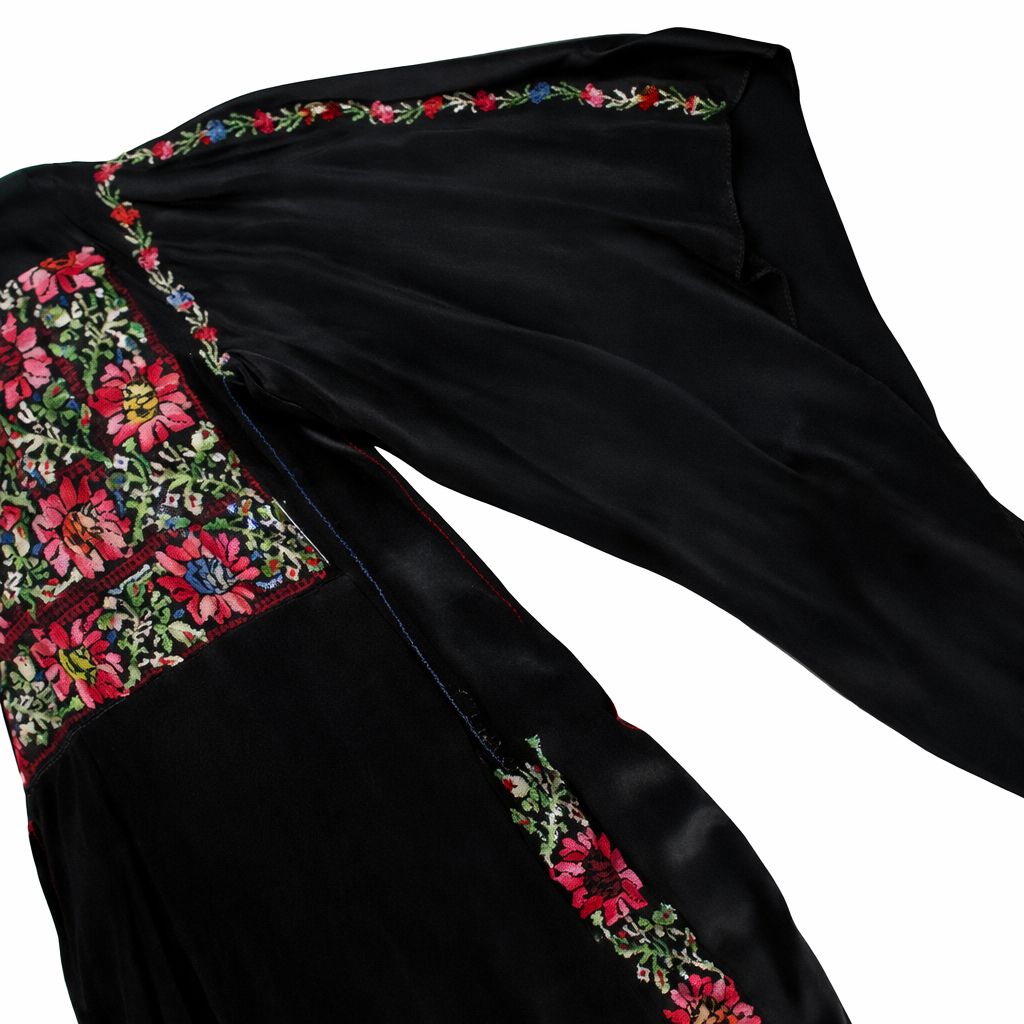
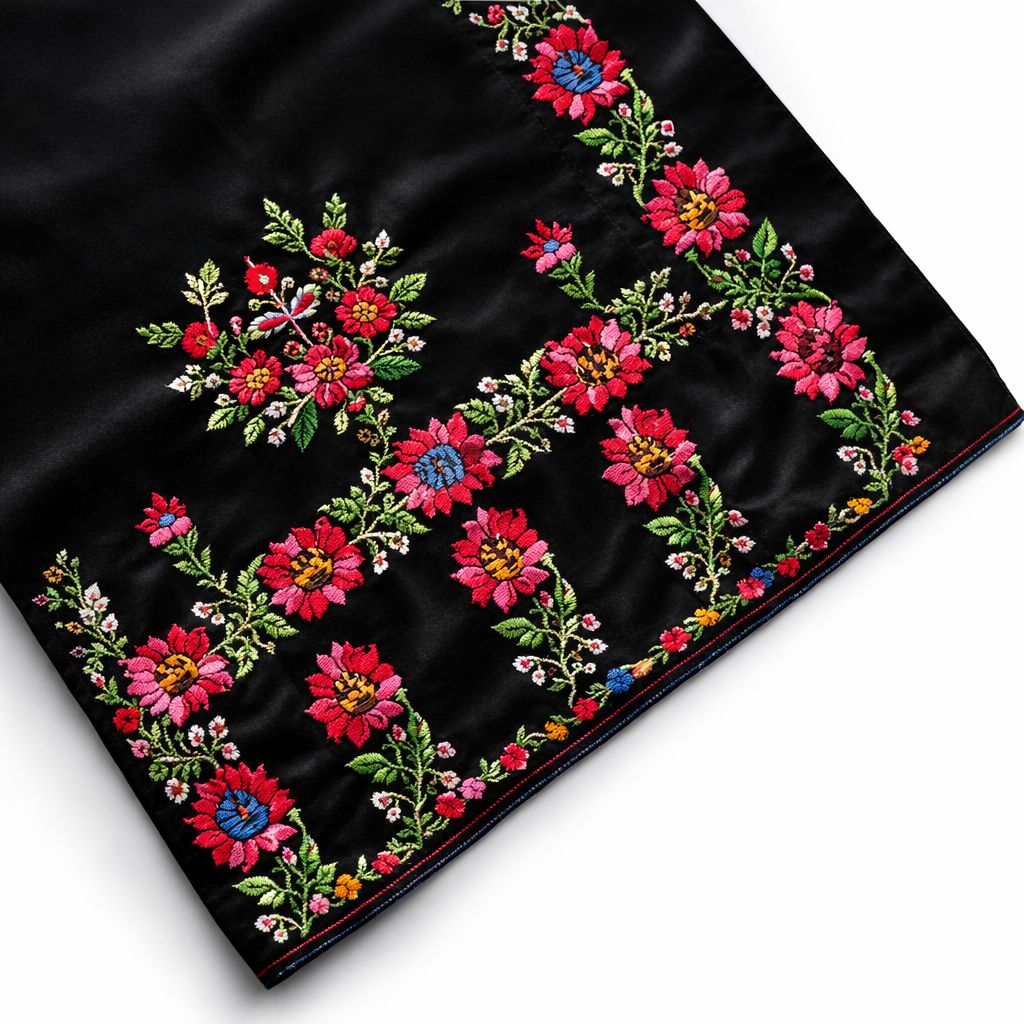
Al-Samu traditional thobe from South Hebron
Type II

Al-Samu

The Al-Samu’ traditional thobe is one of the notable variations of the traditional dress associated with the Hebron region in southern Palestine. Originating from the historic town of Al-Samu’, this garment reflects the strong rural embroidery traditions that developed across the villages of the southern Hebron hills.

The Al-Samu’ thobe is typically characterized by dark fabric decorated with rich red Palestinian tatreez embroidery arranged in geometric patterns across the chest panel, sleeves, and side sections of the garment.

Traditionally worn during weddings, social gatherings, and community celebrations, the Al-Samu’ dress represents the cultural heritage, identity, and craftsmanship of rural Palestinian society in the Hebron district.

Halhul traditional thobe from Hebron district
Type III

Halhul Traditional Thobe

The Halhul traditional thobe is one of the regional variations of Palestinian dress associated with the Hebron district in southern Palestine. Originating from the historic town of Halhul, located north of Hebron, this garment reflects the embroidery traditions preserved in the rural communities of the Hebron hills.

The Halhul thobe is typically characterized by dark fabric decorated with rich red Palestinian tatreez embroidery arranged in geometric patterns across the chest panel, sleeves, and side sections of the garment.

Traditionally worn during weddings, social gatherings, and community celebrations, the Halhul dress represents the cultural heritage, identity, and craftsmanship of Palestinian rural society in the Hebron region.
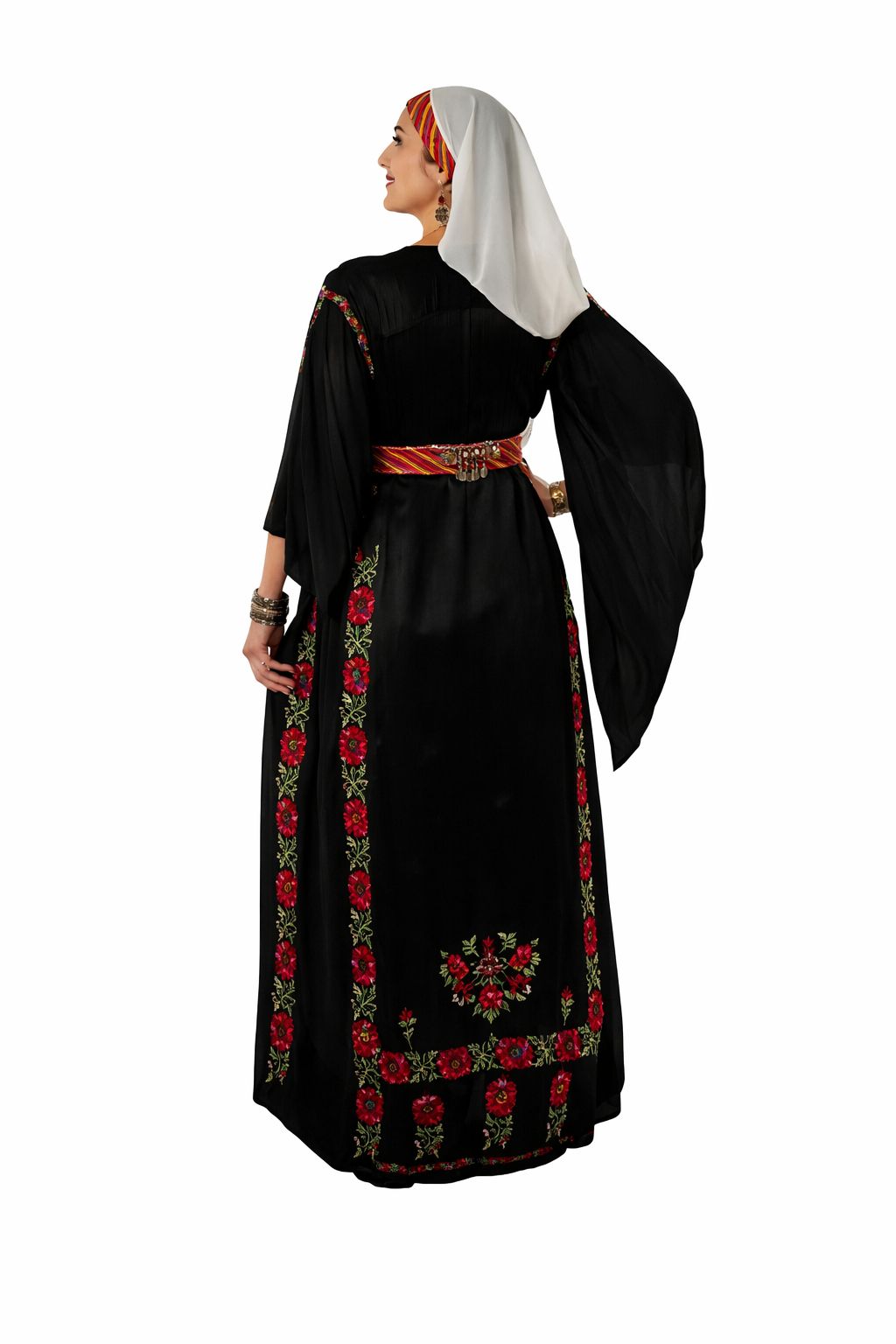
Al-Dhahiriya traditional thobe from Hebron district
Type IV

Al-Dhahiriya Traditional Thobe

The Al-Dhahiriya traditional thobe is one of the regional variations of Palestinian dress associated with the Hebron district in southern Palestine. Originating from the historic town of Al-Dhahiriya, located in the southern Hebron hills, this garment reflects the rural embroidery traditions preserved in the communities of the region.

The Al-Dhahiriya thobe is typically characterized by dark fabric decorated with rich red Palestinian tatreez embroidery arranged in geometric patterns across the chest panel, sleeves, and side sections of the garment.

Traditionally worn during weddings, social gatherings, and community celebrations, the Al-Dhahiriya dress represents the cultural heritage, identity, and craftsmanship of Palestinian rural society in the Hebron region.
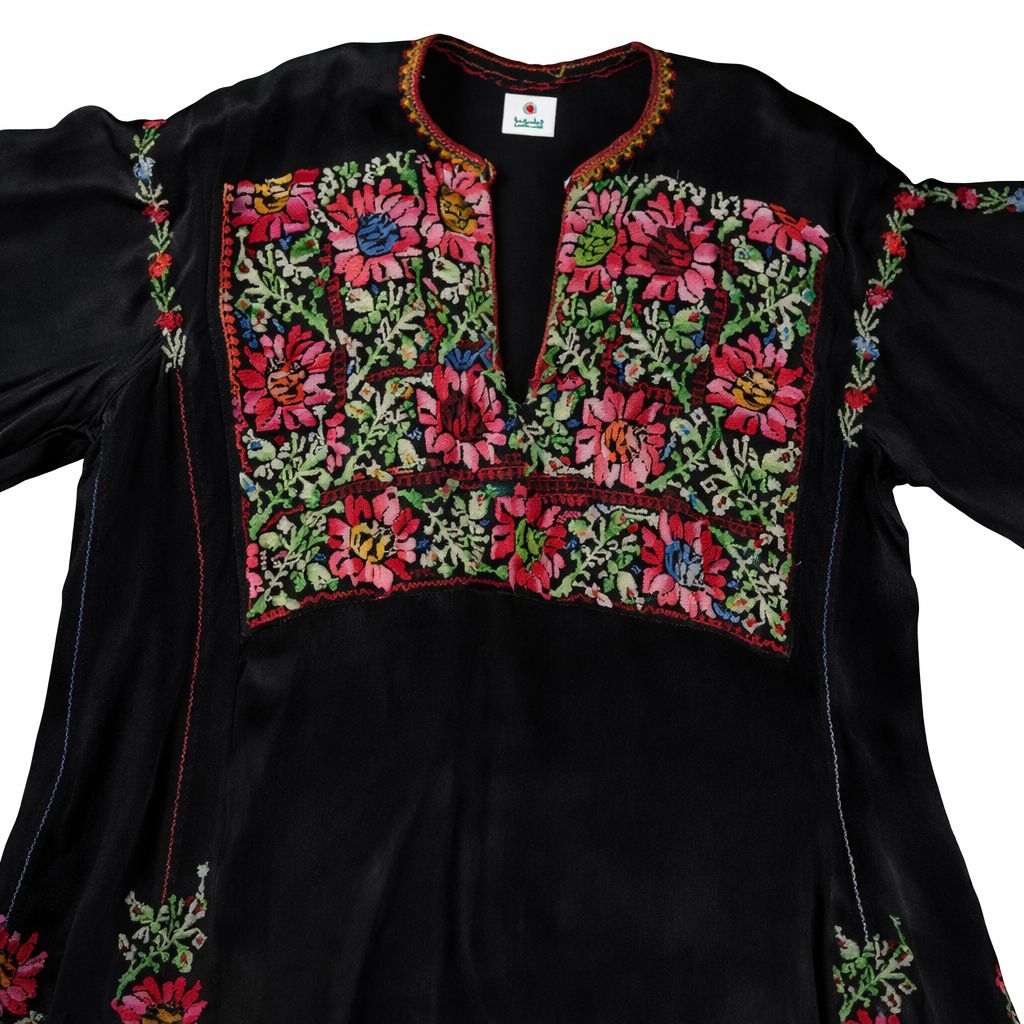
Beit Amer traditional thobe from Hebron district
Type V

Beit Amer Thobe

The Beit Amer thobe is one of the local dress variations associated with the Hebron district in southern Palestine. Originating from the village of Beit Amer, this garment reflects the embroidery traditions preserved within the rural communities of the Hebron hills.

Like other Hebron regional garments, the Beit Amer thobe is characterized by dark fabric enriched with red Palestinian tatreez arranged in geometric patterns across the chest, sleeves, and side sections of the dress.

Traditionally worn during weddings and important social occasions, the Beit Amer dress represents local identity, rural craftsmanship, and the continuity of Palestinian embroidery heritage in the Hebron region.

Archive and References

  • Shelagh Weir — Palestinian Costume
  • Widad Kawar — Threads of Identity: Palestinian Embroidery in the Jordan River Valley
  • The Palestinian Museum — Palestinian Costume & Embroidery Collections
  • Palestinian Heritage Center — Traditional Palestinian Dress Studies
  • The Metropolitan Museum of Art — Traditional Palestinian Embroidery