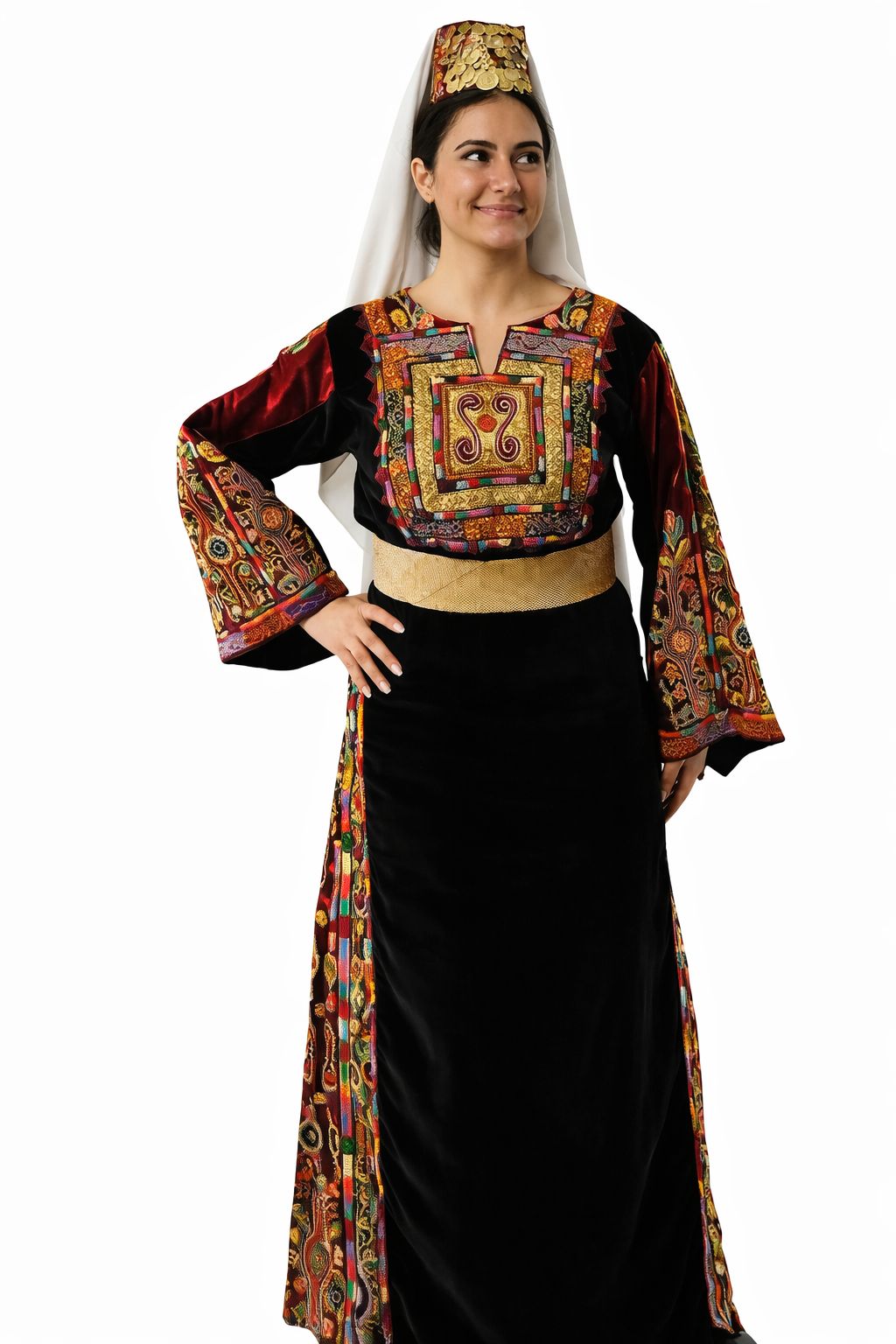
Collection of Central Palestinian Dress

Bethlehem Dress

Embroidery, Silk Craft, and Cultural Identity in Central Palestine

The traditional dress of Bethlehem is one of the most distinctive and recognizable garments in Palestinian costume heritage. Located in the central highlands of Palestine, the city of Bethlehem developed a rich textile tradition shaped by trade, religious pilgrimage, and urban craftsmanship.

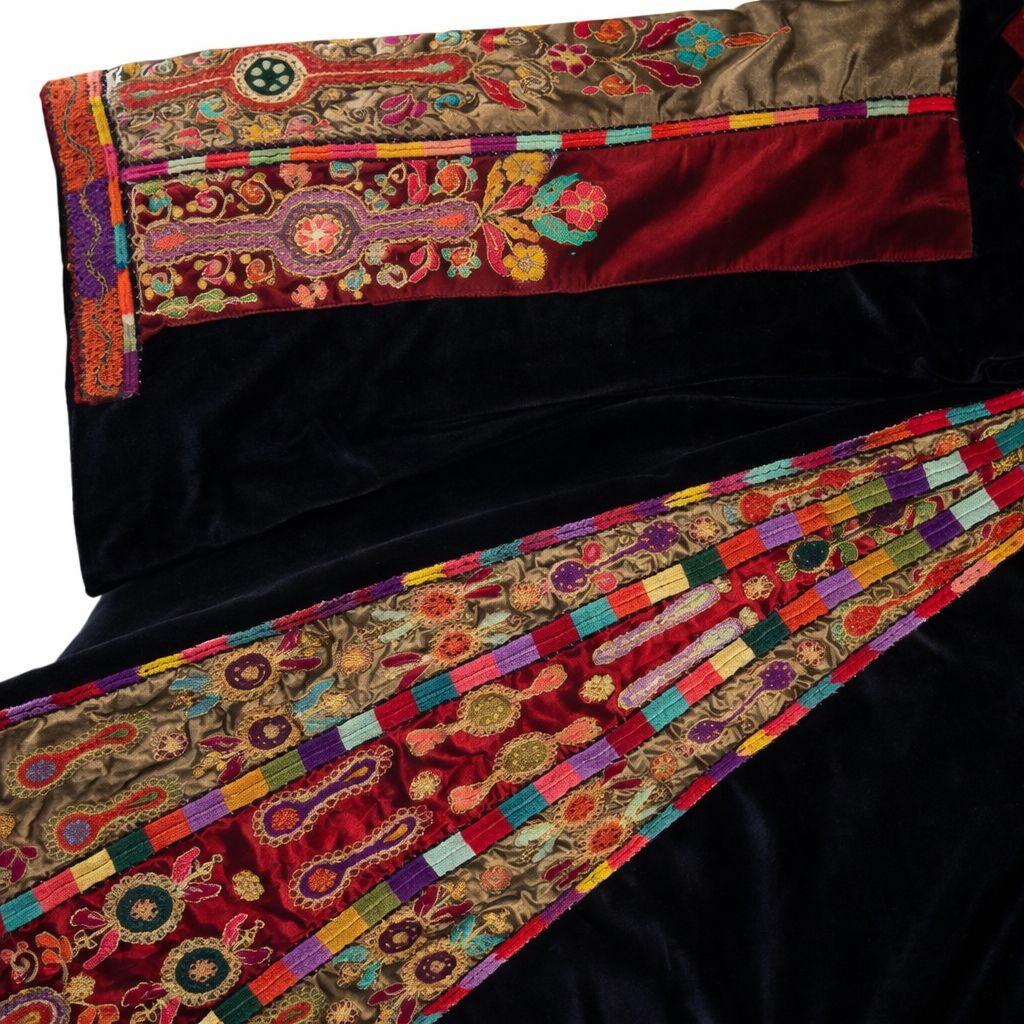
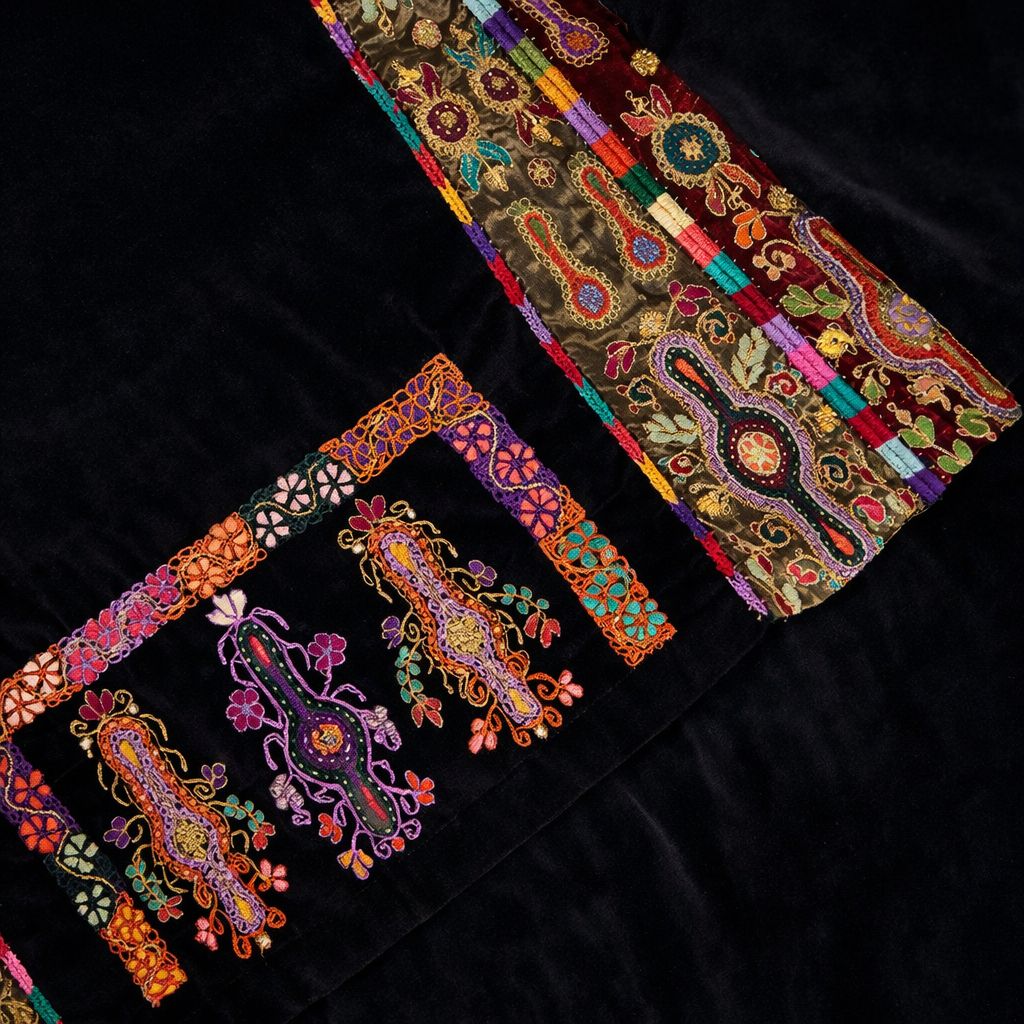
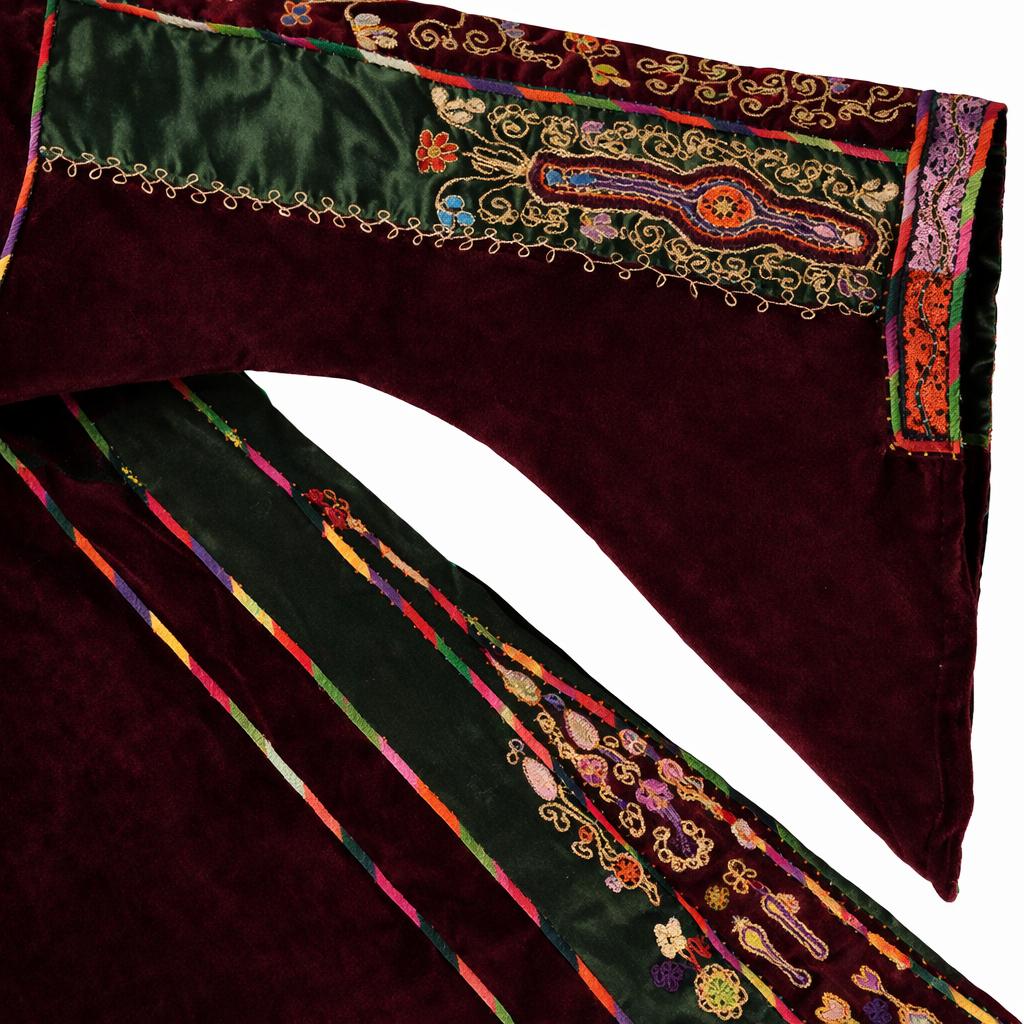
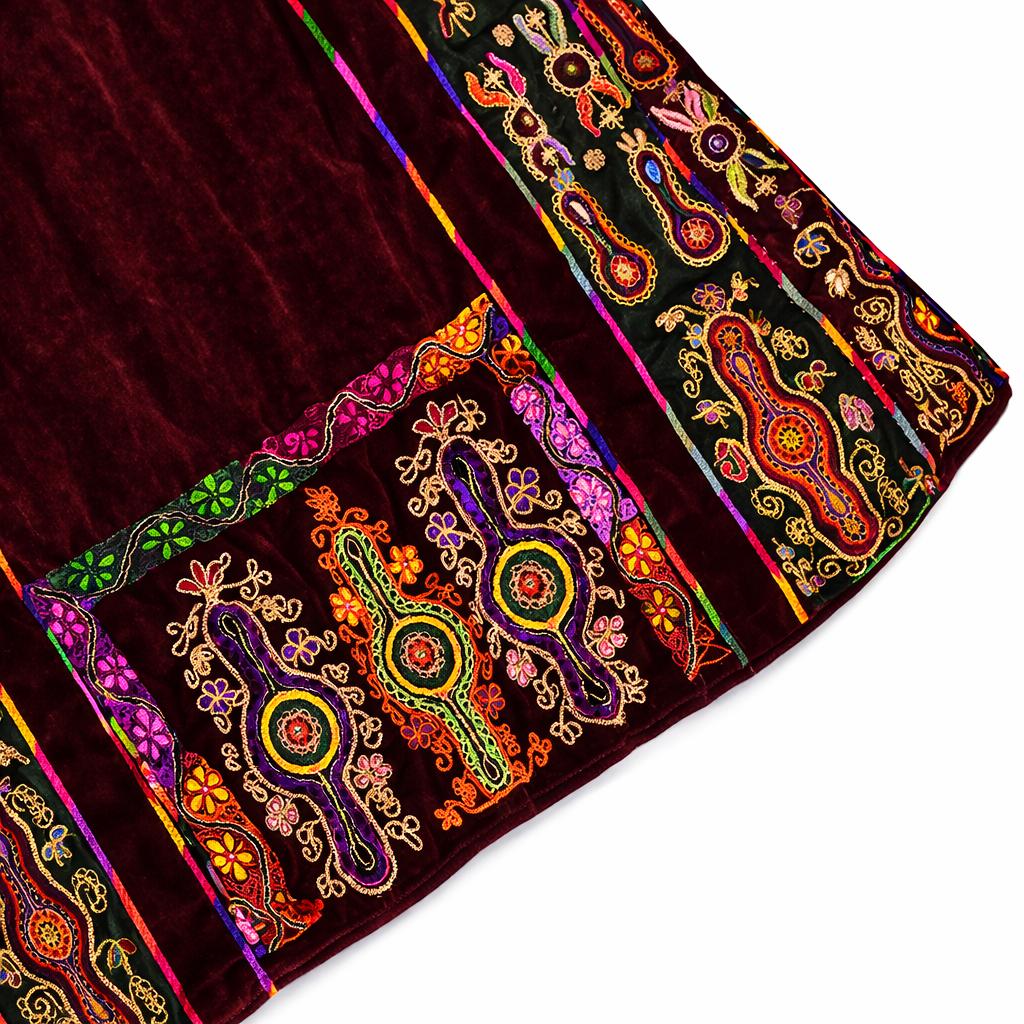
Unlike many rural dresses in Palestine, the Bethlehem thobe is known for its luxurious materials, elaborate embroidery, and the famous couching technique known locally as tahriri embroidery. These elements reflect the city's historic role as a cultural and economic center where textile production flourished.

The Bethlehem dress represents the connection between clothing, craftsmanship, and regional identity. Through its fabrics, embroidery, and decorative structure, the garment illustrates the artistic traditions that developed in the city over centuries.

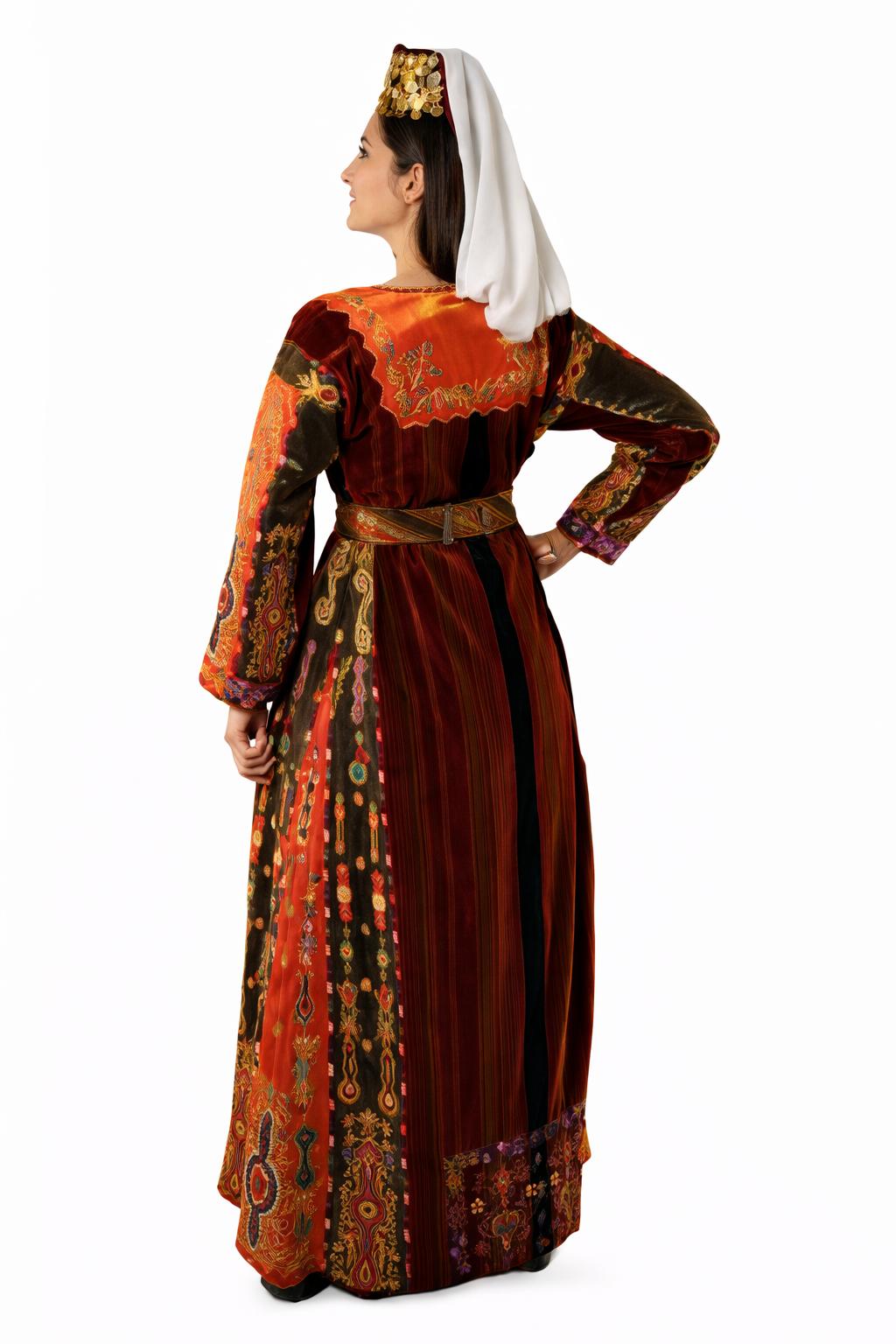
Bethlehem Dress collection main image from central Palestine
Bethlehem Dress Collection — textile heritage of central Palestine. Collection Overview
Region Bethlehem
Tradition Central Palestinian
Type Traditional Thobe Collection
Technique Tahriri & Tatreez
Materials Silk / Velvet / Cotton / Metallic Thread
Significance Craftsmanship & Identity
Bethlehem Dress Types

Explore Distinct Bethlehem Variations

This page presents multiple dress types from Bethlehem. Each garment reflects a different variation of fabric, embroidery, and ceremonial use within the traditional dress culture of the city.

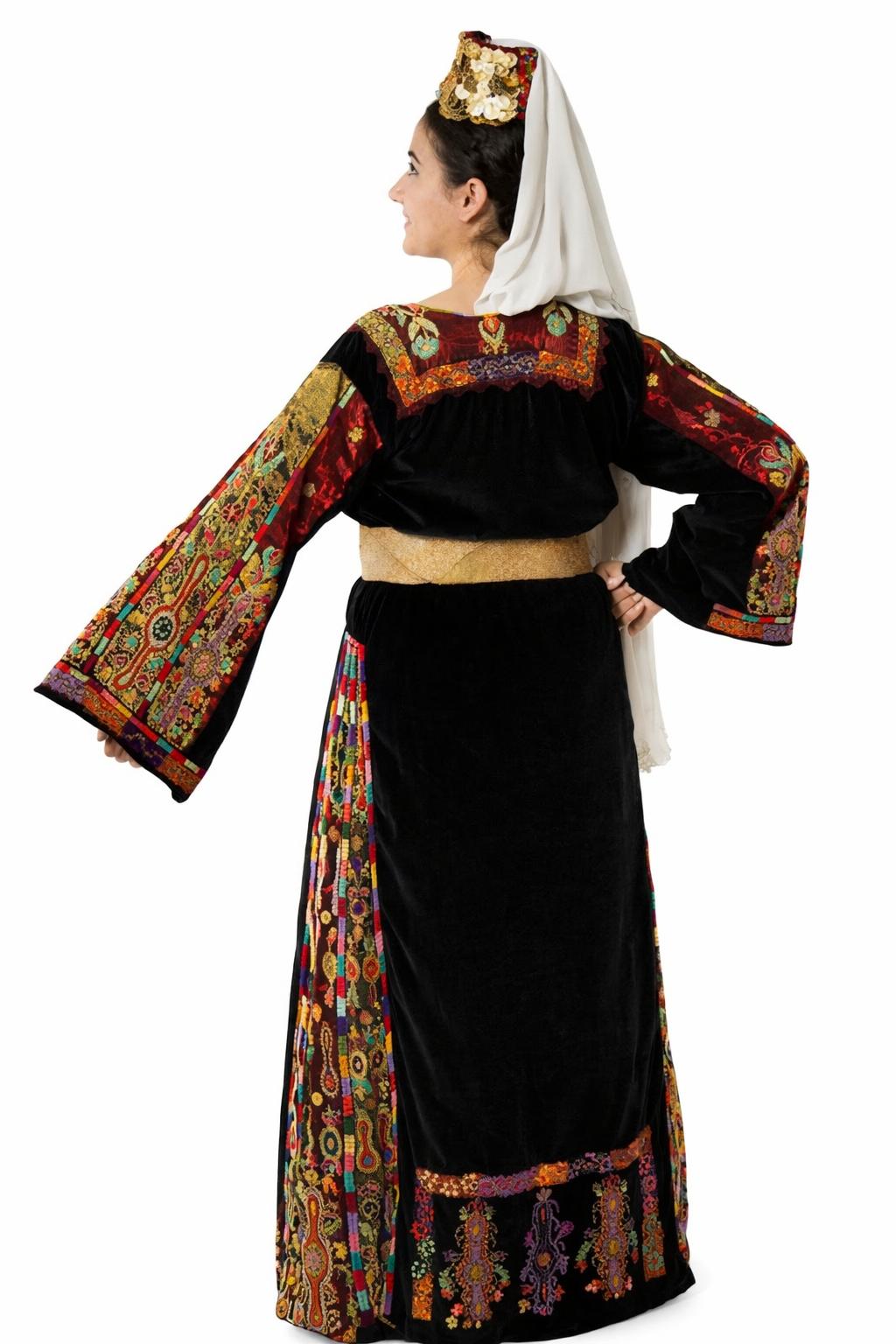
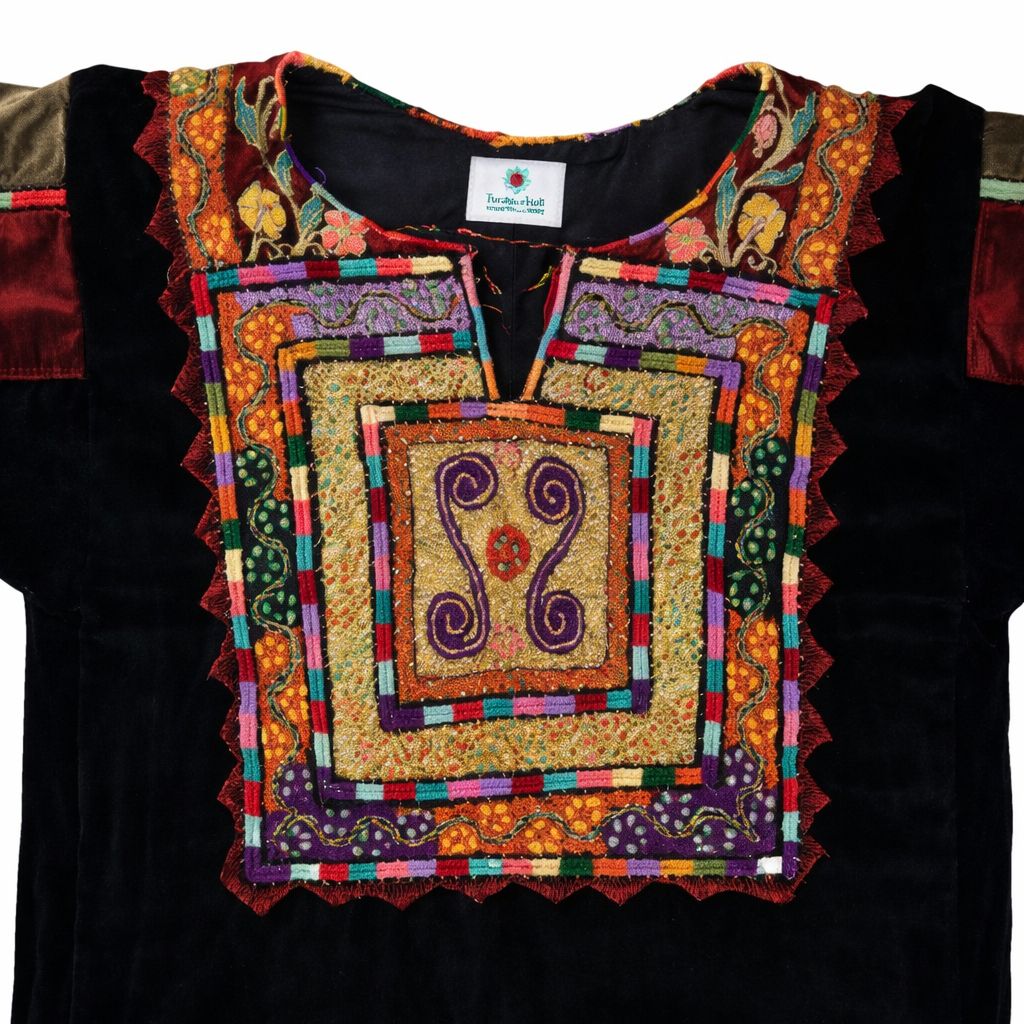
Bethlehem Al-Malak Black Thobe
Type I

Bethlehem Al-Malak Black Thobe

The Bethlehem Al-Malak Black Thobe is one of the most distinctive garments in traditional Palestinian dress. Distinguished by its luxurious gold couching embroidery applied to black velvet fabric, the dress reflects the refined craftsmanship associated with Bethlehem’s historic textile tradition.

Historically worn during weddings and important ceremonies, the garment symbolized prestige, artistry, and cultural identity within Bethlehem society.
Bethlehem Al-Malak Striped Thobe
Type II

Bethlehem Al-Malak Striped Thobe

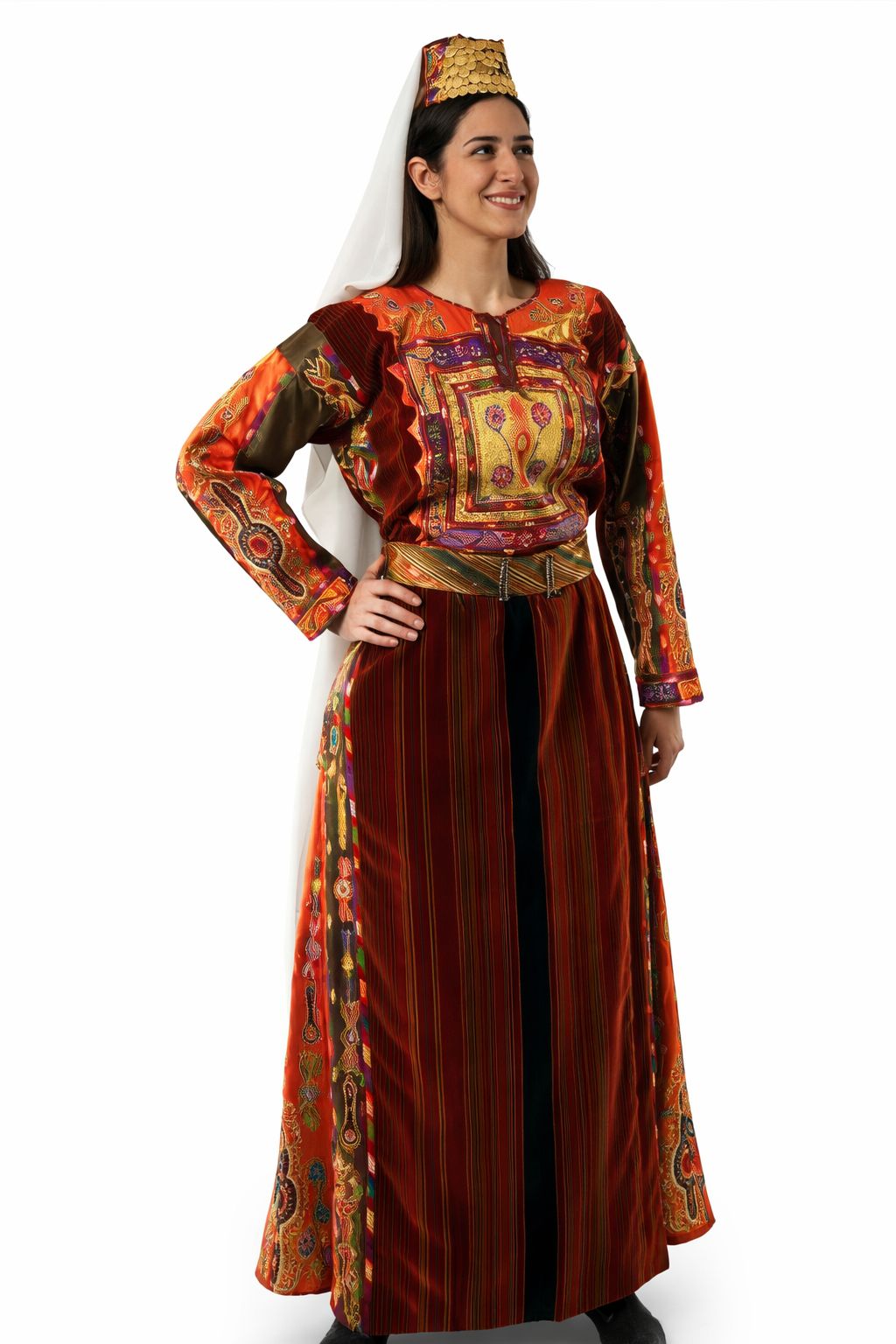
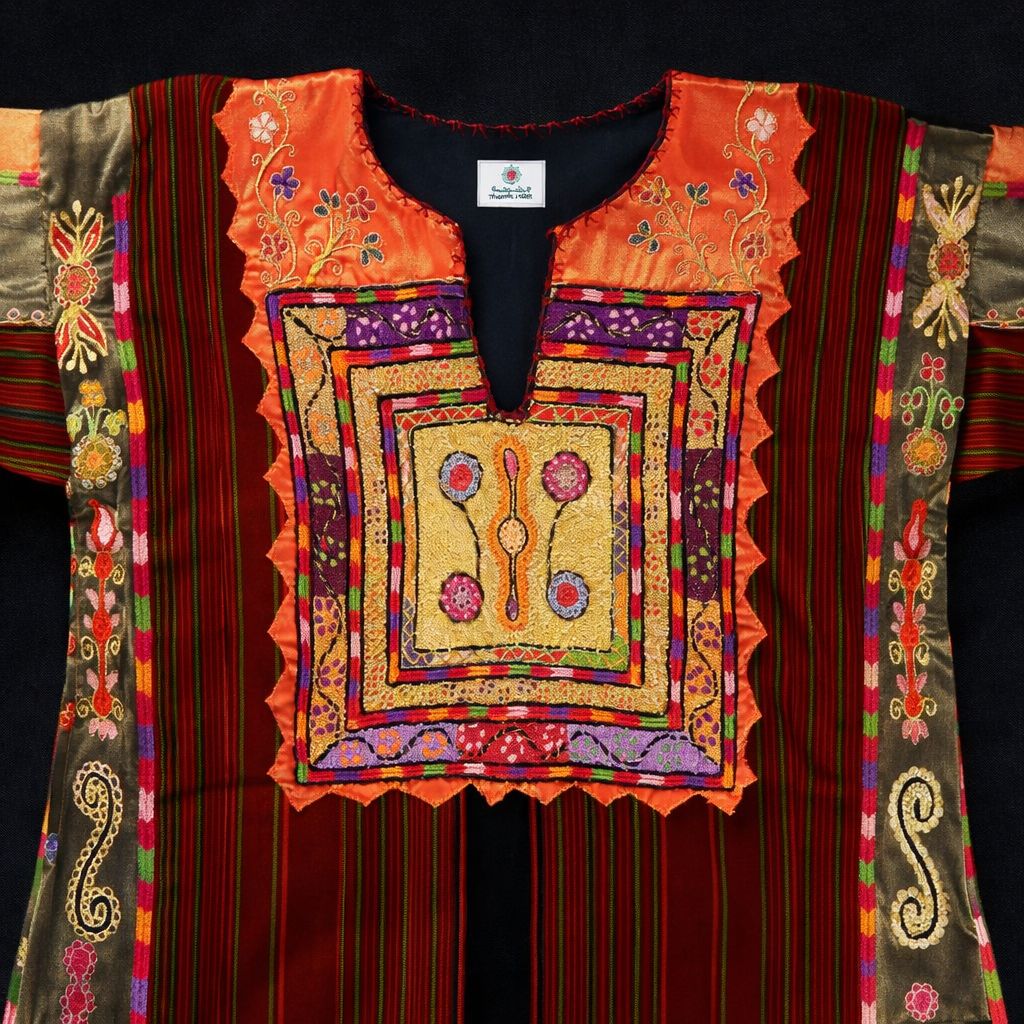
The Bethlehem Al-Malak Striped Thobe is a distinctive variation of the traditional royal dress from Bethlehem. Known for its elegant striped textile, this garment reflects the refined fabric traditions of the region.

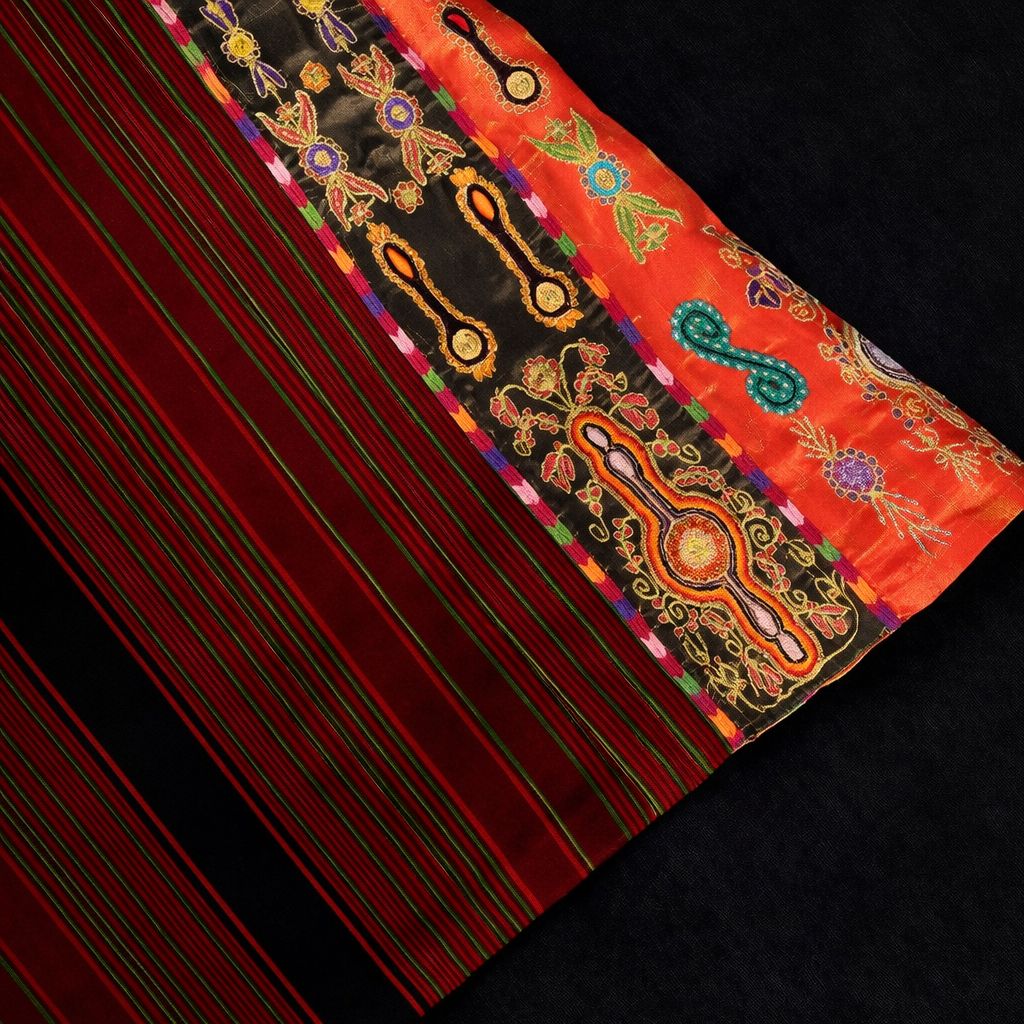
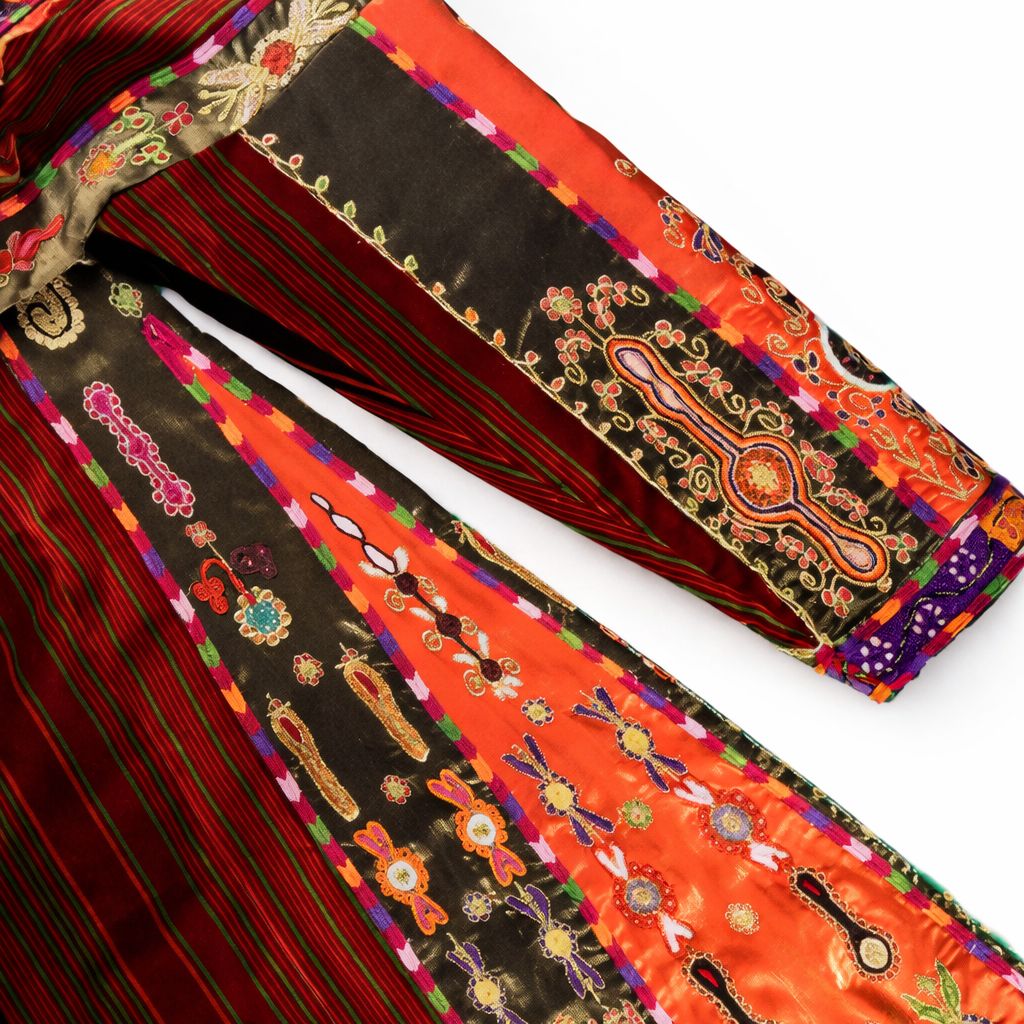
Unlike the solid black Malak thobe, this version features vertical stripes woven into the fabric, often in deep tones such as red, brown, or dark shades. Decorative couching embroidery is applied to the chest, sleeves, and front panels.

Historically worn during weddings and important celebrations, the striped Malak thobe represents the artistic craftsmanship and cultural identity of Bethlehem’s traditional dress heritage.

Bethlehem Al-Malak Maroon Thobe
Type III

Bethlehem Al-Malak Maroon Thobe

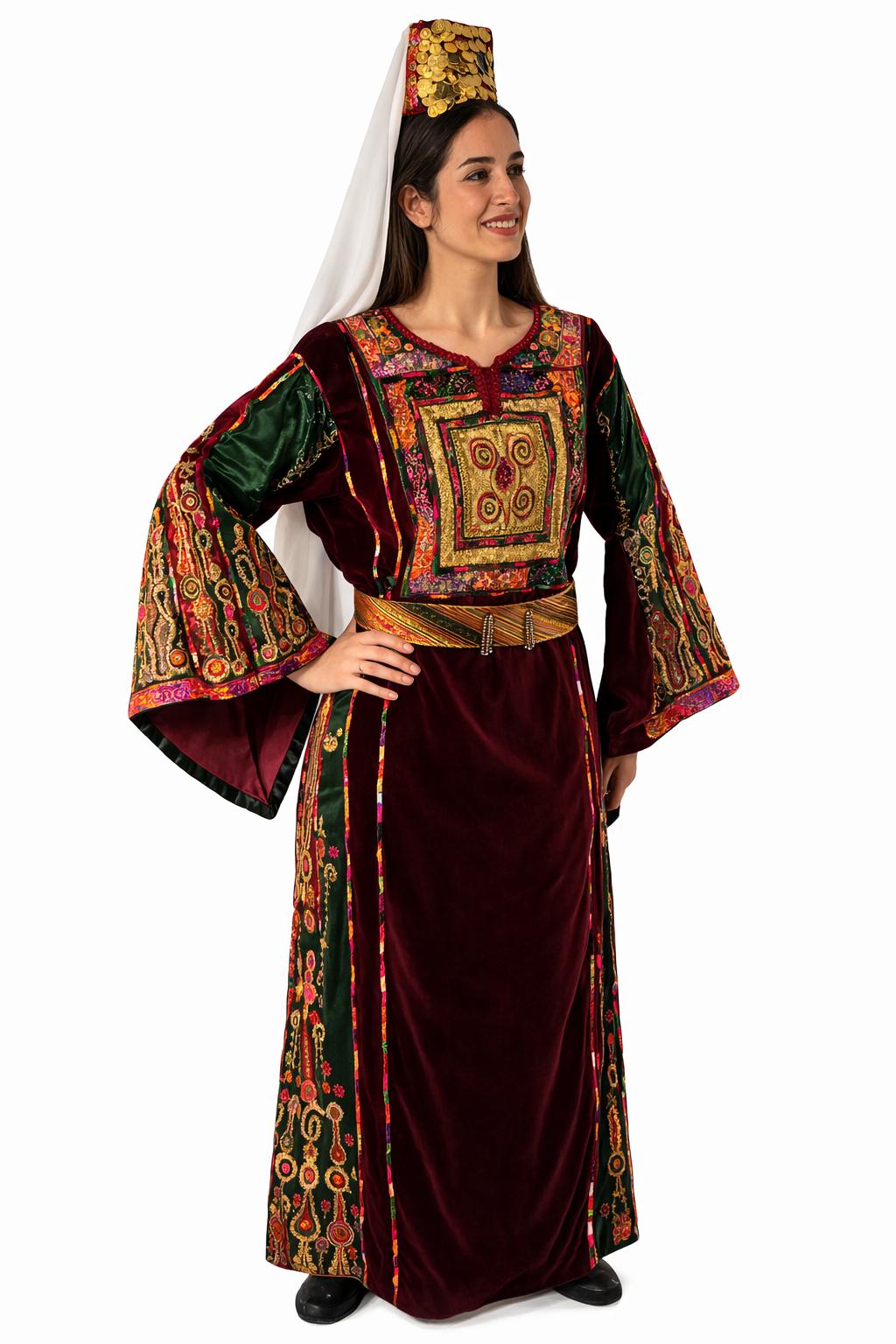
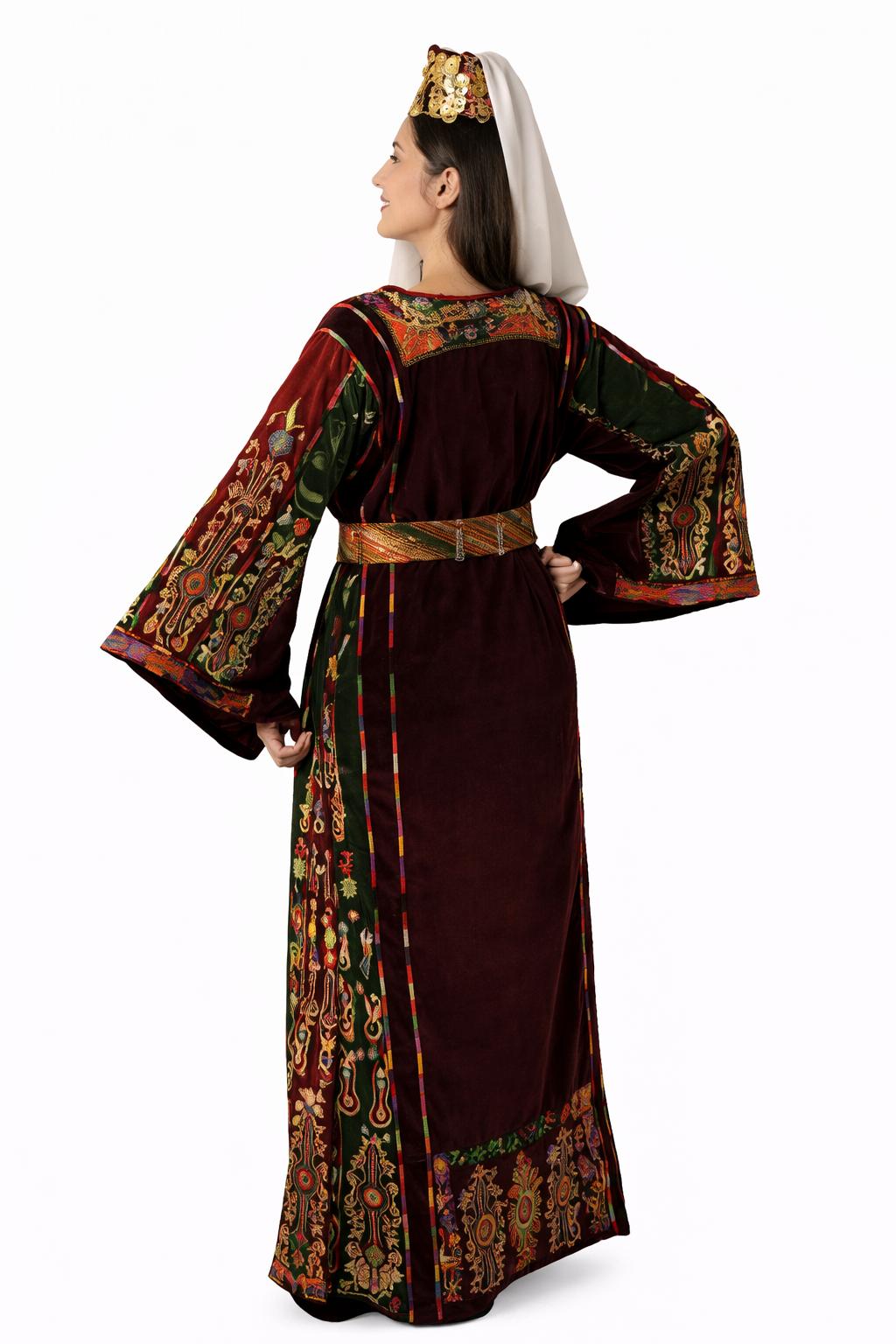
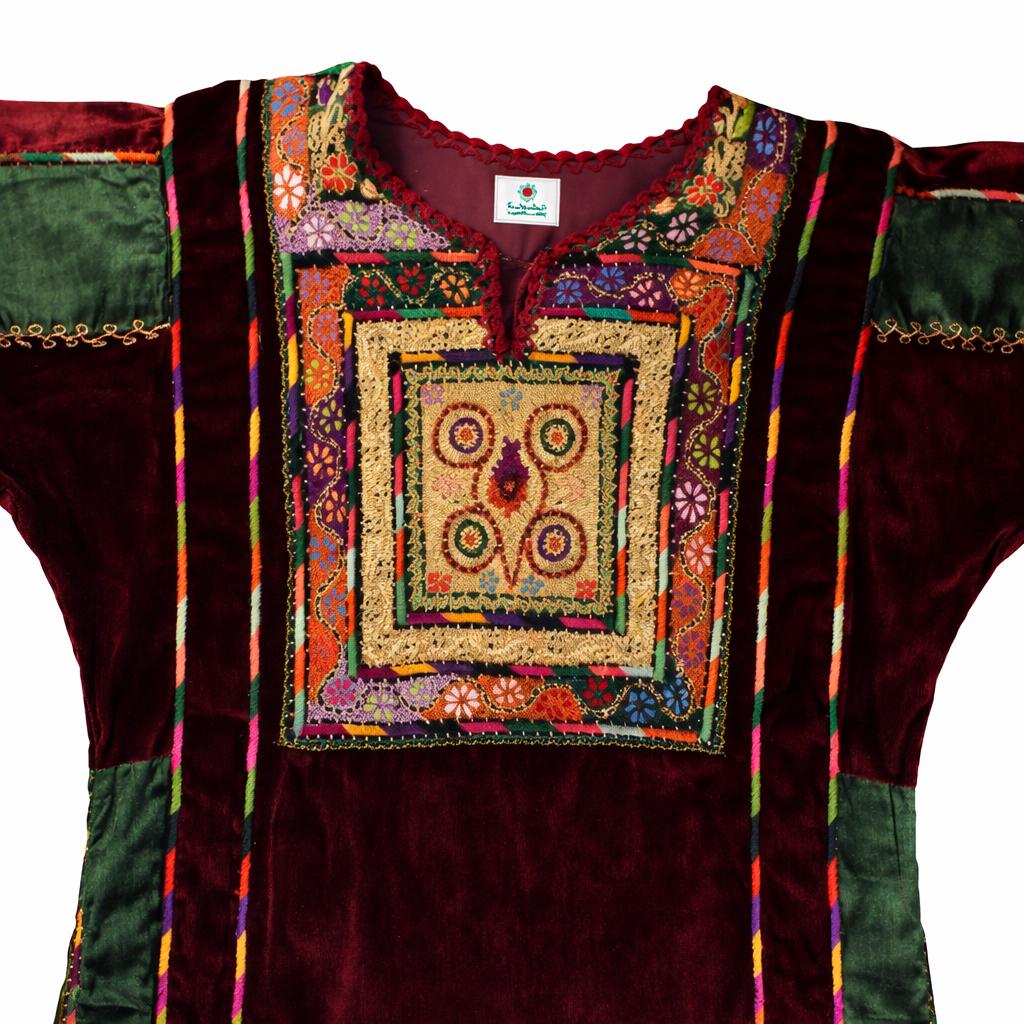
The Bethlehem Al-Malak Maroon Thobe is one of the most recognizable variations of the traditional royal dress associated with the city of Bethlehem. Known for its deep maroon color and luxurious embroidery, the garment reflects the rich textile traditions and refined craftsmanship of Bethlehem’s historic dress culture.

Unlike the classic black Malak thobe, the maroon version features a warm, dark red fabric that highlights the intricate gold couching embroidery known locally as tahriri. This embroidery is carefully applied across the chest panel, sleeves, and decorative front sections of the garment, creating an elegant and balanced design.

Traditionally worn during weddings, festive gatherings, and ceremonial occasions, the maroon Malak thobe symbolizes elegance, social prestige, and the artistic heritage of Bethlehem. Its distinctive color and elaborate embroidery continue to represent one of the most iconic styles within Palestinian traditional dress.

Archive and References

  • Palestinian Costume — Shelagh Weir
  • Threads of Identity: Preserving Palestinian Costume and Heritage — Widad Kawar
  • Traditional Palestinian Embroidery and Jewelry — Hanan Munayyer
  • The Palestinian Museum – Textile collections
  • UNESCO – Documentation of Palestinian Tatreez as Intangible Cultural Heritage