
Palestinian Folk Chants: A Living Tradition of Palestinian Culture
Palestinian folk chants are a vibrant and living part of Palestinian cultural heritage. These traditional songs and chants are often performed by talented singers on stage, keeping the oral traditions alive while sharing Palestinian stories, emotions, and identity with wider audiences.
Through performances, these chants continue to preserve history, community values, and the collective memory of Palestinian society. Singers bring the rich rhythms, poetry, and melodies of folk chants to life, connecting modern audiences with generations of cultural expression.

Historical Origins of Palestinian Folk Chants
The roots of Palestinian folk chants can be traced back centuries to rural communities across the Levant. Oral poetry and rhythmic singing were essential forms of communication and storytelling in societies where literacy was limited.
These chants often reflected everyday experiences such as farming, seasonal changes, migration, and family life. Farmers sang rhythmic chants while harvesting crops or working in olive groves, using music to coordinate collective labor and maintain morale.
Over time, these chants became cultural markers that documented historical events and social transformations. Many chants preserved memories of villages, landscapes, and traditions that continue to influence Palestinian identity today.
Types of Palestinian Folk Chants
Palestinian folk chants vary widely depending on the occasion and regional traditions. Several important forms have become well known across Palestinian communities.
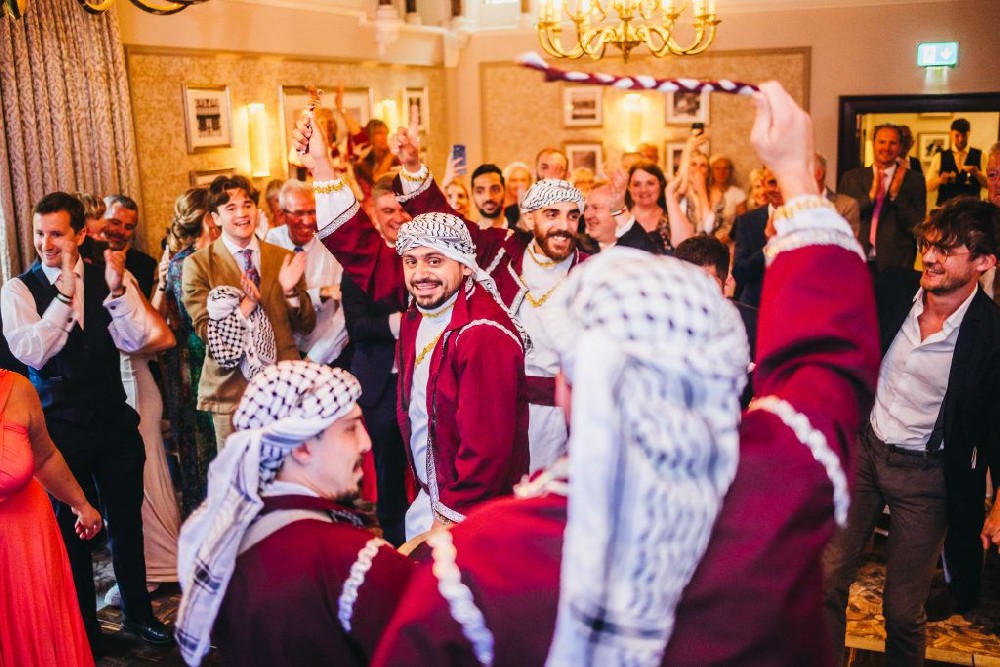
One of the most popular forms is Dal‘ouna, a chant performed during celebrations and group dances such as Dabke. Dal‘ouna songs often feature poetic verses that can be improvised by singers during performances.
Another traditional chant is Ataba, a form of poetic singing that expresses deep emotions such as love, nostalgia, or sorrow. Ataba is known for its complex rhyme patterns and expressive vocal style.
Zajal, a form of improvised poetic chanting, is also widely performed in the Levant. Zajal performances often involve multiple singers who engage in poetic dialogue, creating dynamic and entertaining performances during festivals and social gatherings.
These chant traditions illustrate the richness of Palestinian oral literature and musical heritage.

Abu Arab and Al-Ashiqeen: Voices of Palestinian Folk Chants
Traditional Palestinian chants have been preserved and popularized through performance by influential artists. Among the most notable figures is Abu Arab, whose real name was Ibrahim Mohammad Saleh. Known as the “Poet of the Palestinian Revolution,” Abu Arab became famous for performing patriotic songs and folk chants expressing Palestinian identity, resilience, and longing for homeland.
Another important contributor is Al-Ashiqeen, a renowned Palestinian musical group founded in the 1970s. The band played a significant role in transforming traditional chants and folk songs into modern performances while maintaining their cultural roots. Their songs often drew inspiration from historical chants, village traditions, and national poetry, helping introduce Palestinian folk music to wider audiences across the Arab world.
Through the performances of Abu Arab and Al-Ashiqeen, Palestinian folk chants have remained a living cultural tradition. Their music continues to inspire new generations and serves as an important bridge between traditional oral heritage and contemporary cultural expression.

Palestinian Tarweedeh: Traditional Chants in Weddings and Celebrations
Palestinian Tarweedeh is one of the most important forms of traditional folk chanting in Palestinian culture. It is a type of short, collective song usually performed by women during social occasions, especially weddings and family celebrations. The Tarweedeh relies on the repetition of short poetic phrases sung in a distinctive rhythm, often accompanied by clapping and ululations called zagharit.
In traditional Palestinian weddings, women perform the Tarweedeh while preparing the bride or as she leaves her family home. The lyrics express joy, pride in the bride and her family, and blessings for the couple. While the words may vary by region, the simple and rhythmic style allows everyone present to participate easily.
Tarweedeh is also used in other occasions, such as welcoming guests or celebrating the return of a family member from a journey. These chants have helped transmit social values and cultural traditions from generation to generation, relying on oral memory rather than written texts.
Through Tarweedeh, women have played a central role in preserving Palestinian musical heritage. These short and rhythmic chants convey stories, emotions, and celebrations of the community, making Tarweedeh a living and integral part of Palestinian cultural identity.

Listen to Related Palestinian Folk Chants
Abu Arab – Palestinian Folk Chant Performance
Sources
Raising Dust: A Cultural History of Dance in Palestine – Nicholas Rowe, 2006.
Palestinian Society and Culture – Samih Farsoun & Christina Zacharia, 2007.
Popular Culture in the Arab World – Andrew Hammond, 2007.
Publications of the Palestinian Ministry of Culture.
Cultural heritage documentation by UNESCO on oral traditions and performing arts.
Palestinian Village Histories: Geographies of the Displaced – Rochelle Davis.
Palestinian Ministry of Culture: https://moc.pna.ps/
UNESCO Intangible Cultural Heritage: https://ich.unesco.org/
Nicholas Rowe – Raising Dust: A Cultural History of Dance in Palestine: https://www.bloomsbury.com/uk/raising-dust-9781845112035/
Andrew Hammond – Popular Culture in the Arab World: https://www.ucpress.edu/book/9789774160547/popular-culture-in-the-arab-world
Rochelle Davis – Palestinian Village Histories: Geographies of the Displaced: https://www.sup.org/books/title/?id=19463