
Traditional Palestinian Weddings and Cultural Customs
Palestinian weddings are among the most vibrant expressions of cultural heritage in Palestine. They bring together families, neighbors, and communities to celebrate marriage with rituals, music, dance, and cuisine that have been preserved for centuries.
Beyond the celebration itself, weddings reflect social structures, regional traditions, and cultural identity. Every aspect, from clothing to music and ceremonial practices, carries historical significance, connecting present generations with their ancestors.
Through these ceremonies, Palestinians maintain cultural continuity while expressing social values such as hospitality, community solidarity, and respect for family traditions.
Traditional Wedding Preparations
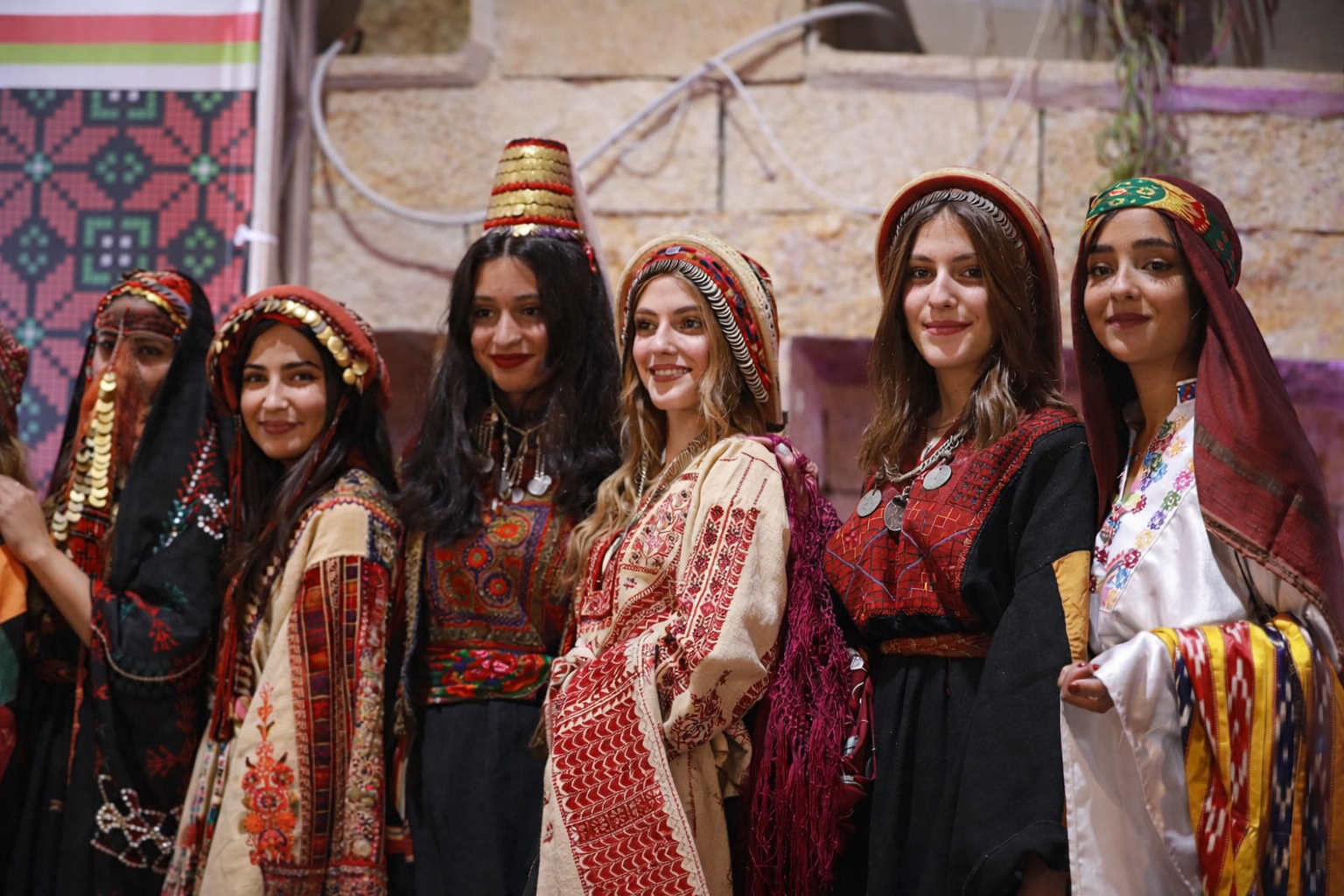
Preparation for a Palestinian wedding often begins months in advance. Families arrange the venue, select attire, and coordinate traditional rituals. The bride’s thobe (embroidered dress) is central to the celebration and often features tatreez embroidery, symbolizing her region and family history.
Engagement ceremonies are sometimes held separately, where gifts and dowries are exchanged according to local customs. These preparations strengthen community bonds and allow extended families to participate actively in the upcoming celebration.
Traditional Palestinian weddings reflect both rural and urban customs, depending on the region. Historical records show that preparations often include culinary practices, music rehearsals, and the crafting of wedding decorations from locally sourced materials.
Wedding Attire and Embroidery
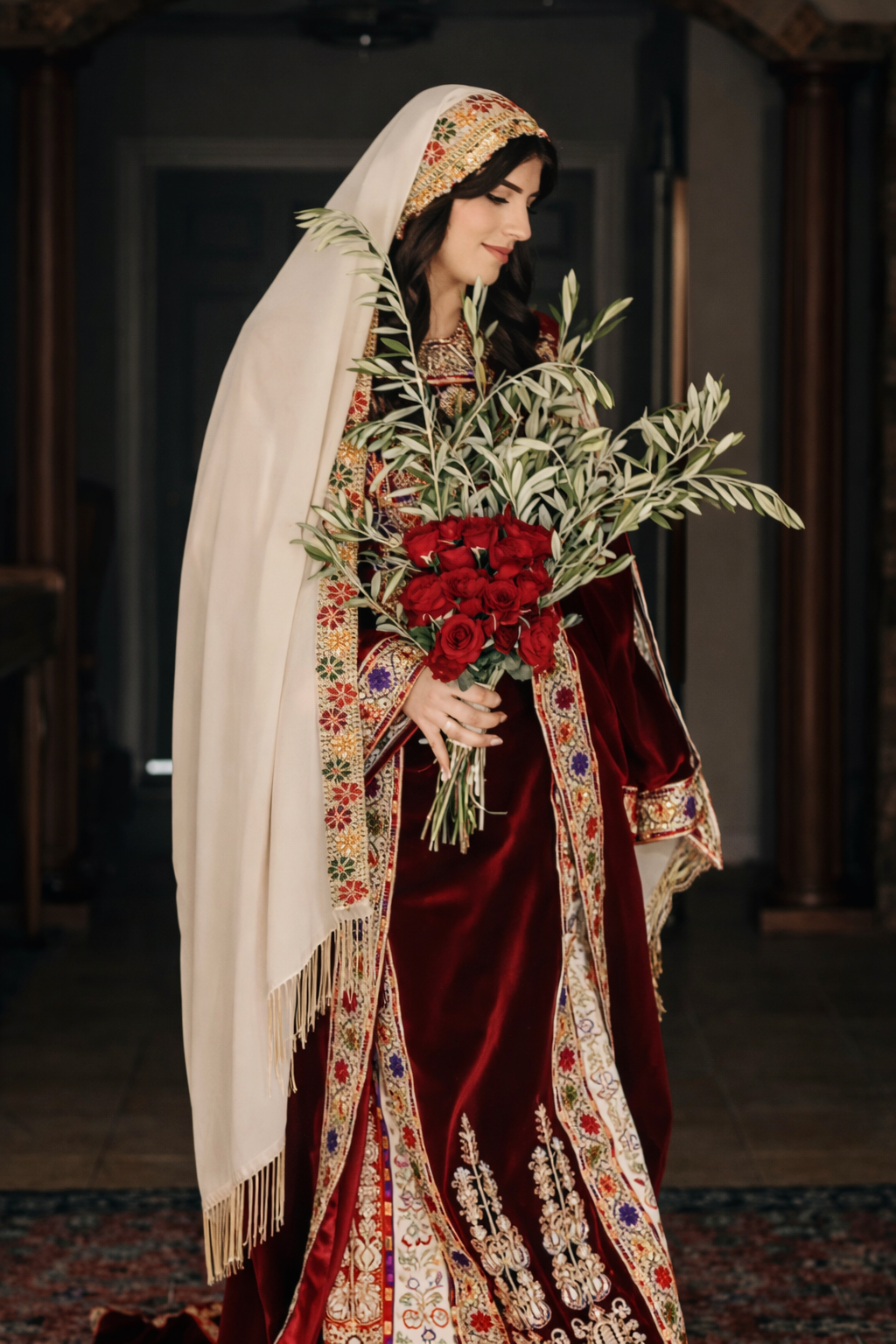
The bride’s attire is one of the most visually striking elements of a Palestinian wedding. Traditional dresses, known as thobes, feature elaborate embroidery patterns called tatreez. Each motif reflects regional identity, social status, and sometimes even the bride’s personal story.
Men traditionally wear a keffiyeh or other regional dress, often accompanied by formal garments for ceremonial occasions. Accessories like jewelry, veils, and belts are carefully chosen to complement the attire and highlight cultural symbols.
Embroidery techniques have been passed down for generations, with mothers teaching daughters the intricate stitching and symbolic meanings. UNESCO recognizes tatreez embroidery as an intangible cultural heritage due to its deep historical and social significance in Palestine.

Music, Dance, and Celebratory Customs
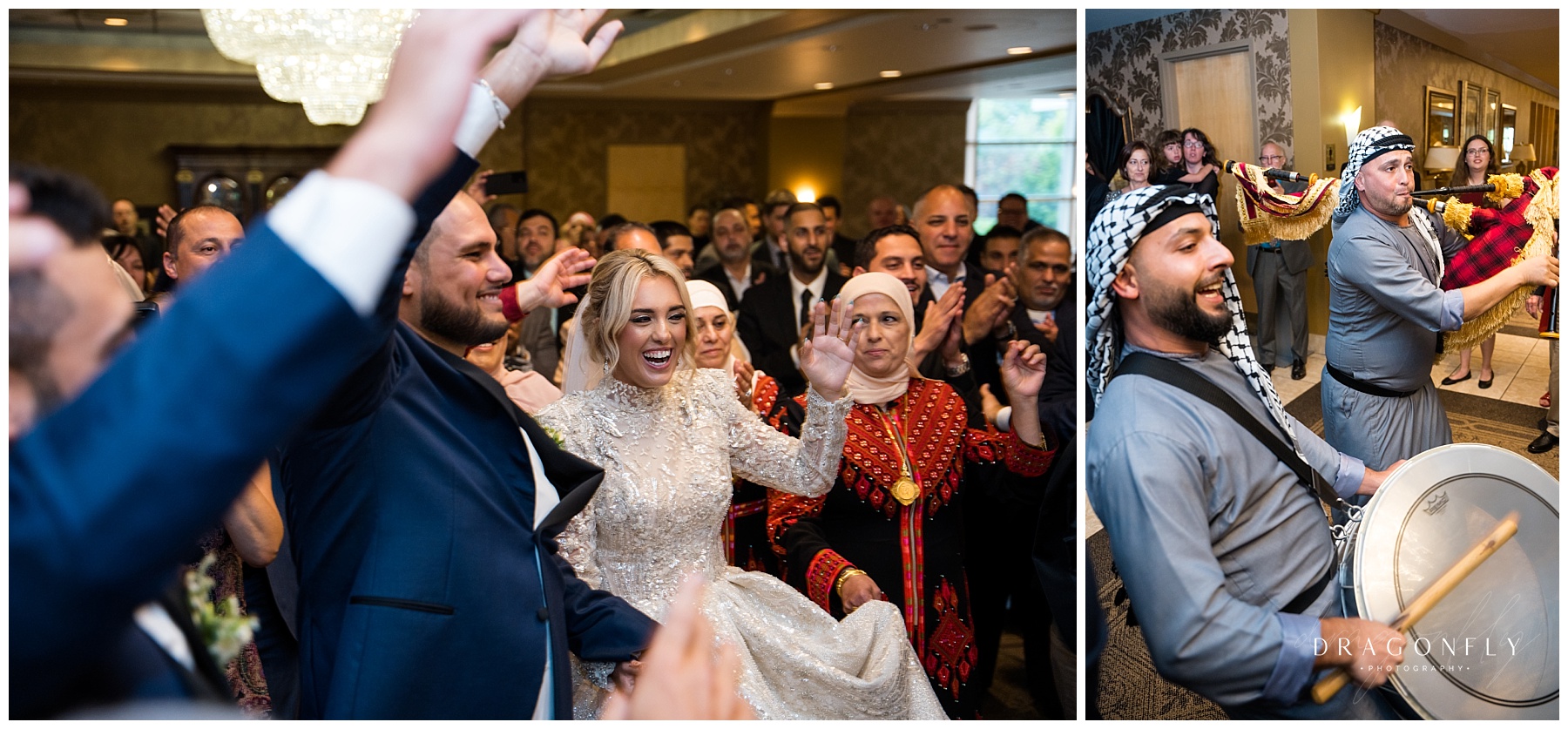
Music and dance are essential in Palestinian weddings. The Dabke dance is the most iconic, performed in lines or semicircles, often led by a lawweeh, who guides the dancers through energetic steps. Dabke symbolizes unity, joy, and communal participation.
Traditional instruments such as the oud, tabla, and mijwiz accompany the performance. Wedding songs often celebrate love, family ties, and cultural identity, reinforcing the community’s shared heritage.
In some regions, rituals include zajal (poetic singing), storytelling, and group dances that vary according to local traditions. These performances are not only entertainment but also a means of transmitting cultural values across generations.

Culinary Traditions in Weddings
Food plays a central role in Palestinian weddings. Traditional dishes vary by region but commonly include maqluba, musakhan, stuffed vegetables, rice dishes, and sweets like knafeh and ma’amoul.
The preparation and sharing of food symbolize hospitality, generosity, and family cooperation. Wedding feasts often involve extended family and neighbors, emphasizing communal values. Culinary customs also preserve local agricultural practices, such as the use of olive oil, sumac, and locally grown produce.
Marriage Rituals and Ceremonial Practices
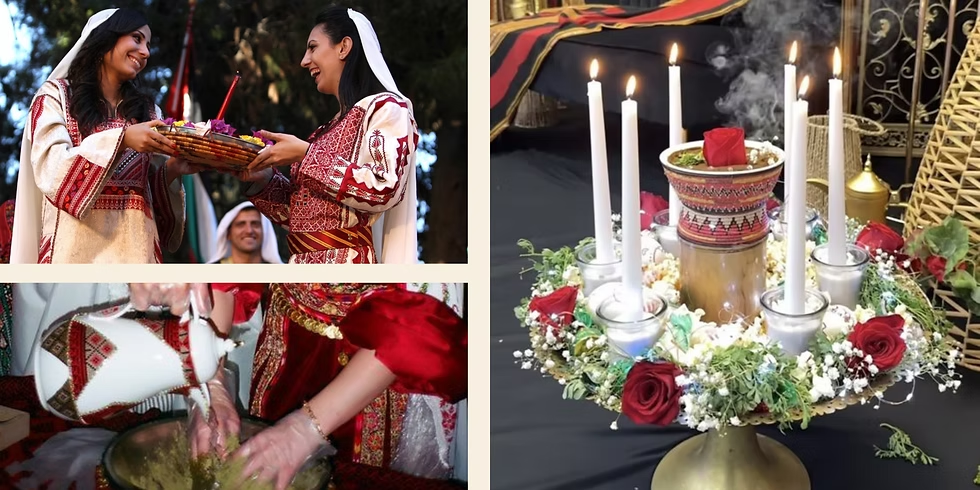
Rituals in Palestinian weddings can include Henna nights, where the bride’s hands and feet are decorated with intricate henna patterns. This tradition symbolizes beauty, joy, and blessings for the marriage.
Other rituals may include blessing ceremonies, symbolic gift exchanges, and formal prayers, reflecting both Islamic and local cultural practices. These traditions maintain historical continuity and integrate social, religious, and familial values.
Preserving Palestinian Wedding Heritage
Preserving Palestinian wedding traditions is essential for maintaining cultural identity. Museums, cultural centers, and local organizations document traditional attire, music, dances, and rituals.
Organizations like the Palestinian Ministry of Culture and UNESCO actively promote the safeguarding of intangible heritage, including wedding customs and embroidery practices. Community initiatives also support artisans who continue to create traditional wedding garments and crafts.
Through ongoing preservation efforts, Palestinian weddings continue to serve as a living expression of culture, connecting generations and maintaining a strong sense of identity.
Sources
Nicholas Rowe, Raising Dust: A Cultural History of Dance in Palestine, 2006.
Palestinian Ministry of Culture publications: https://moc.pna.ps/
UNESCO – Intangible Cultural Heritage: Tatreez embroidery & Dabke dance: https://ich.unesco.org/
N. Farsoun & R. Zacharia, Palestinian Society and Culture, 2007.
M. Abu-Lughod, The Islamic City: Historic Urbanism and Social Practices, 1987.
M. Khalidi, Palestinian Identity: The Construction of Modern National Consciousness, 1997.